Maisha: Elevating Design with a Versatile Script Font Packed with Character
In the world of design, typography is more than just letters on a page. It is the voice of your brand, the mood of your project, and the first impression you leave on your audience. Finding a font that balances personality with professionalism can be a challenge. Many script fonts feel either too rigid or too casual, leaving designers searching for something that feels both handmade and versatile. This is where Maisha steps in. With its 339 unique handmade glyphs and long, beautiful swashes, Maisha offers a solution that is as functional as it is artistic. Whether you are a seasoned designer or a small business owner creating your own marketing materials, understanding what Maisha brings to the table can transform your approach to typography.
What Is Maisha and Why Does It Matter?
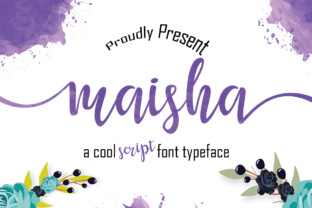
Maisha is a script font designed to feel alive. Unlike standard digital fonts that often feel mechanical, Maisha is built from carefully crafted, handmade glyphs. Each character carries its own subtle variations, giving your text a natural, organic flow. The font includes 339 unique glyphs, meaning you have access to multiple alternate letterforms, ligatures, and extended swashes that can be mixed and matched to create truly custom typography.
This matters because modern audiences are drawn to authenticity. In a crowded digital landscape, generic fonts can make your content blend in rather than stand out. Maisha helps you break away from the ordinary without sacrificing readability or professionalism. It is a font that invites the reader in, making your message feel personal and intentional.
The Challenge: Finding a Script Font That Works Across Projects
One of the most common frustrations for designers and content creators is the limited versatility of many script fonts. You might find a beautiful script that looks perfect on a wedding invitation, but it falls apart when used on a website header or a product label. The letters may not connect smoothly, the swashes may be too distracting, or the font may lack the glyphs needed for proper punctuation or special characters.
Another challenge is balancing elegance with legibility. Some script fonts are so ornate that they become difficult to read, especially at smaller sizes. Others are too plain, losing the very charm that made you choose a script font in the first place. This tension between beauty and function is where Maisha excels. Its design intentionally bridges that gap, offering enough flair to captivate while remaining clear enough to communicate effectively.
Additionally, many users struggle with the technical side of font implementation. They may not know how to access alternate glyphs, use OpenType features, or pair script fonts with other typefaces. Understanding how to get the most out of a font like Maisha can feel overwhelming if you are not a typography expert. The good news is that Maisha is designed with usability in mind, making it accessible even if you are new to advanced font features.
How Maisha Addresses These Challenges
Maisha directly responds to the need for a script font that is both beautiful and practical. Its 339 handmade glyphs give you an extraordinary range of options. You can choose from multiple variations of the same letter, allowing you to avoid repetitive patterns that can make script text look artificial. This is especially valuable for longer passages where the same letter appears multiple times in close succession.
The long, beautiful swashes in Maisha add an element of sophistication without overpowering the text. They are designed to extend gracefully from the beginning or end of words, making them ideal for headlines, logos, and callouts. These swashes are not just decorative extras; they are fully integrated into the font, meaning they flow naturally with the rest of the letterforms. This integration helps maintain a cohesive look across your entire project.
For users concerned about legibility, Maisha maintains a clear, open structure. The letterforms are distinct and well-proportioned, so even when used at smaller sizes, the text remains readable. This is a significant advantage for applications like social media graphics, email headers, or product descriptions where space is limited but impact is essential.
On the technical side, Maisha supports standard OpenType features, which means you can easily access alternate glyphs, ligatures, and swashes through most design software. Programs like Adobe Illustrator, Photoshop, InDesign, and even some word processors allow you to toggle these features with a few clicks. If you are using a platform like Canva or Cricut, you can still manually select alternate characters from the glyph panel, giving you control without requiring advanced skills.
Practical Applications and Real-World Outcomes
The versatility of Maisha opens up a wide range of practical applications. Here are just a few ways different users can implement this font to achieve meaningful results:
Brand Identity and Logo Design
For entrepreneurs and small business owners, creating a memorable brand is essential. Maisha can serve as the cornerstone of a visual identity, providing a unique, handcrafted feel that sets you apart from competitors. Use the swashes to create a distinctive wordmark, or pair Maisha with a clean sans-serif font for a balanced logo system. The multiple glyphs allow you to tweak the logo until it feels exactly right, ensuring no two brands using the font will look identical.
Wedding and Event Stationery
Event planners and couples planning their own weddings often seek fonts that convey romance and elegance. Maisha shines in this space, offering the long, flowing swashes that work beautifully on invitations, place cards, and signage. Because the font includes so many alternates, you can create a cohesive suite of materials that feel custom-made. Plus, the legibility ensures that guests can easily read names, dates, and venue details without squinting.
Social Media Content
Social media managers and content creators need fonts that grab attention quickly. Maisha works well for quote graphics, announcement posts, and story highlights. The swashes can frame text elegantly, and the multiple glyphs help you avoid the "stock font" look that can make content feel generic. Using Maisha consistently across your social channels can reinforce brand recognition and add a layer of polish to your visual strategy.
Product Packaging and Labels
Physical products benefit greatly from typography that feels tactile and authentic. Whether you are labeling homemade goods, creating wine labels, or packaging beauty products, Maisha adds a handmade touch that communicates care and quality. The font's ability to scale well means it works on small labels as effectively as on larger boxes. The extended swashes can wrap around curved surfaces or sit elegantly on flat packaging, giving you flexibility in your design.
Website and Digital Design
While script fonts are often reserved for print, Maisha performs admirably in digital contexts. Use it for hero headings, call-to-action buttons, or decorative elements on landing pages. Just be mindful of readability at smaller sizes; reserve Maisha for larger text where its details can shine. Pair it with a simple, neutral font for body text to maintain a professional balance. Many web designers find that using Maisha sparingly, such as in the main headline or a signature-style footer, adds maximum impact without overwhelming the page.
How Different Users Approach Maisha
Not everyone will use Maisha in the same way, and that is part of its strength. A graphic designer working on a branding project will likely dive deep into the OpenType features, testing different glyph combinations and fine-tuning kerning for a polished result. They may spend time exploring how the swashes interact with different layouts and color schemes. For them, Maisha is a tool for precision and artistry.
A small business owner printing their own marketing materials might take a more straightforward approach. They may select Maisha for its overall look and rely on the default settings, perhaps picking a favorite alternate glyph or two for key words. They do not need to master every feature; the font works beautifully right out of the box. This accessibility is important because it means users at any skill level can achieve professional-looking results without a steep learning curve.
Hobbyists and crafters using platforms like Cricut or Silhouette will appreciate the extensive glyph set. Cutting text for a custom sign or T-shirt design becomes more creative when you have multiple letter variations to choose from. The swashes can be positioned to fit specific shapes or spaces, making Maisha a favorite among DIY enthusiasts who want a polished, handmade look without designing from scratch.
Print designers, on the other hand, may leverage Maisha for its print-friendly properties. The font holds up well at various sizes and on different paper stocks, from matte to glossy. They can use it confidently knowing that the fine details of the swashes will reproduce clearly. This reliability matters when deadlines are tight and reprints are not an option.
Recommendations for Getting the Most Out of Maisha
To truly harness the potential of Maisha, consider these practical tips:
- Explore the entire glyph set. Open the glyph panel in your design software and scroll through all 339 characters. Take note of your favorite alternates and practice swapping them into your text. This simple step can dramatically change the feel of your design.
- Use swashes intentionally. Long swashes are dramatic, but they work best when used sparingly. Consider using them only on the first or last word of a headline, or on key letters like the initial capital. Too many swashes in one piece can create visual clutter.
- Pair with neutral fonts. Maisha pairs well with clean sans-serif fonts like Montserrat, Lato, or Open Sans. This contrast creates a clear hierarchy in your design, with the script font providing personality and the neutral font providing structure.
- Test at different sizes. Because script fonts can behave differently when scaled, always preview your design at the actual size it will be viewed. Make sure the swashes and connections look natural at both large and small scales.
- Consider your audience. While Maisha is versatile, it is still a script font with a distinctive personality. It works beautifully for feminine, elegant, or creative projects, but may not be the best choice for highly corporate or technical contexts. Match the font's energy to your brand's voice.
Useful Considerations Before You Start
Before diving into a project with Maisha, there are a few practical considerations worth keeping in mind. First, ensure your design software fully supports OpenType features. While most modern programs do, if you are using older or very basic software, you may have limited access to the alternate glyphs and swashes. In that case, you can still use the default characters, which are themselves beautiful and functional.
Second, think about licensing. Maisha is available through various font retailers with different licensing options. If you are using it for commercial projects, such as logos, product packaging, or merchandise, be sure to check that your license covers commercial use. Many fonts offer both desktop and web licenses, so choose the one that fits your specific needs.
Finally, remember that typography is a tool for communication. The most beautiful font in the world cannot substitute for clear, meaningful content. Use Maisha to enhance your message, not to distract from it. When the font and the content work together, your audience will feel the difference.
Bringing It All Together
Maisha is more than just a pretty script font. It is a practical tool designed to solve real problems for designers, business owners, and creatives. With 339 handmade glyphs and long, beautiful swashes, it offers the flexibility to create unique, professional typography that stands out while remaining legible and approachable. Whether you are building a brand from scratch, designing a special event, or simply adding personality to your social media, Maisha gives you the resources to achieve your goals without unnecessary complexity.
The key is to approach it with intention. Understand what the font offers, explore its features, and apply it in ways that serve your specific needs. When you do, Maisha becomes more than a font; it becomes a partner in your creative work. And in a world where first impressions matter more than ever, that partnership can make all the difference.