Hug Me Tight: The Bold, Cuddly Handwritten Font That Brings Warmth to Design Projects
In an era where digital communication often feels cold and impersonal, the resurgence of handwritten typography serves as a counterbalance—a way to inject personality, warmth, and human touch into every project. Among the many handwritten fonts available, one stands out for its unique combination of boldness and approachability. Hug Me Tight captures exactly what the name suggests: a typeface that feels both sturdy and affectionate, as if it were drawn with a generous marker and a kind heart. For creators, entrepreneurs, and marketers looking to amplify emotional connection without sacrificing legibility, this font offers a compelling solution.
More than just a decorative option, Hug Me Tight fits into a broader shift in design preferences. Audiences increasingly gravitate toward authenticity. They want to see the human hand behind the message, whether it’s on a product label, a social media graphic, or a handwritten note in a brand campaign. This font delivers that handmade quality while maintaining the visual impact required for professional use.
Why Handwritten Fonts Are Gaining Traction in Modern Design
Typography trends have evolved significantly over the past decade. Minimalist sans-serif fonts once dominated because they felt clean and modern. Today, many designers and business owners are turning to handwritten styles to differentiate themselves in a crowded visual landscape. The reason is simple: handwritten fonts feel relatable. They break down the barrier between brand and audience, making the communication feel like a personal conversation rather than a corporate announcement.
Current market preferences reflect this change. Small businesses, in particular, use handwritten typography to convey craft, care, and individuality. A bakery uses it on packaging to evoke homemade goodness. A wedding planner relies on it for invitations that feel intimate. A wellness coach chooses it for journal covers that promise comfort. Hug Me Tight fits neatly into these use cases because its bold weight ensures readability even at smaller sizes, while its rounded, cuddly forms soften the overall aesthetic.
The shift isn’t just about aesthetics—it’s about user expectations. People now browse countless digital ads, emails, and social posts daily. They have become adept at filtering out generic, template-driven content. A handwritten font signals that someone put thought and effort into the message. Hug Me Tight amplifies that perception by being both attention-grabbing and inviting, making it a strategic choice for anyone looking to stand out while still appearing approachable.
How Hug Me Tight Differs from Other Handwritten Fonts
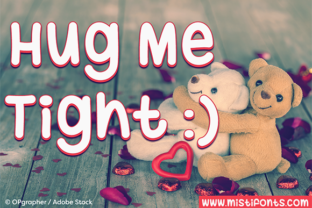
Not all handwritten fonts are created equal. Some lean toward elegant calligraphy, others toward messy doodles. Hug Me Tight occupies a sweet spot: it’s bold without being aggressive, playful without being childish. Each character appears deliberately drawn with a steady hand, giving the font a sense of confidence. The rounded edges and slightly irregular spacing mimic real handwriting, which adds authenticity without sacrificing clarity.
For crafters and DIY enthusiasts, this font is particularly valuable. Scrapbook layouts, greeting cards, and custom mugs often require a font that feels like it was written by hand but remains consistent across every use. Hug Me Tight provides that consistency while retaining the organic charm that handmade projects demand. It also works well for digital projects like blog headers, Pinterest pins, and YouTube thumbnails, where the goal is to attract clicks through warmth and visual interest.
Practical Applications Across Creative Disciplines
The versatility of Hug Me Tight becomes evident when you explore the range of projects it can enhance. Below are several practical ways this font can be used effectively, along with observations on why each application works.
- Branding and Logo Design – Small businesses often struggle to convey their personality through a logo. A wordmark set in Hug Me Tight instantly communicates friendliness and approachability. Coffee shops, children’s boutiques, and handmade jewelry brands benefit from this aesthetic because it aligns with their values of care and craftsmanship.
- Social Media Graphics – Instagram stories and Facebook posts that use handwritten fonts see higher engagement rates because they look less like ads and more like personal updates. Hug Me Tight works especially well for quotes, announcements, and call-to-action overlays where the message needs to pop without feeling salesy.
- Packaging and Product Labels – In retail, packaging is the first physical touchpoint. A label printed with this font gives the product a handmade feel even if it’s mass-produced. This is particularly effective for organic or artisanal goods, sustainability-focused brands, and gift items where emotional appeal drives purchase decisions.
- Event Invitations and Stationery – Wedding invitations, baby shower cards, and birthday party flyers all benefit from a font that feels celebratory and warm. Hug Me Tight adds a layer of excitement because its bold strokes convey enthusiasm while its cuddly shapes suggest comfort and joy.
- Educational Materials and Worksheets – Teachers and tutors who create their own resources find that a friendly handwritten font makes learning feel less intimidating. Hug Me Tight can be used for headings, labels, and instructions in worksheets that target younger learners or adult learners looking for a less formal tone.
One of the most common mistakes designers make when using handwritten fonts is pairing them with unsuitable secondary typefaces. Hug Me Tight pairs well with clean sans-serif fonts like Montserrat or Open Sans. The contrast between the playful hand-lettered look and a neutral, readable body font creates a balanced visual hierarchy. For instance, using Hug Me Tight for the headline and a simple sans-serif for the body text ensures the message remains clear while the personality shines through.
How Evolving Workflows Are Making Handwritten Fonts More Accessible
The rise of digital design tools has lowered the barrier for anyone to use high-quality typography. Canva, Adobe Express, and even Microsoft Office now support custom font uploads, making it easy for non-designers to incorporate Hug Me Tight into their projects. This democratization of design means that a bakery owner with no graphic design training can create a professional-looking menu or a social media post that rivals bigger competitors.
Moreover, the trend toward remote work and independent entrepreneurship has fueled demand for assets that help individuals and small teams look polished on a budget. A carefully chosen font can elevate a presentation, a pitch deck, or a digital course handout without requiring expensive software or a dedicated designer. Hug Me Tight is an excellent investment for anyone building a visual identity on a shoestring because one font can serve multiple purposes—from logo to headline to accent—across different media.
Print-on-demand services also benefit from this font’s versatility. T-shirts, mugs, tote bags, and phone cases with short text phrases in a bold handwritten style sell well because they evoke a sense of handmade uniqueness. Hug Me Tight is particularly effective for short, impactful messages—“Be Kind,” “Good Vibes Only,” “You Got This”—where the typography itself becomes part of the emotional appeal.
Adapting Hug Me Tight for Different Media
While the font performs splendidly in print, its digital applications deserve equal attention. In web design, headers set in Hug Me Tight can anchor a homepage with personality. For email marketing, using this font sparingly for subject line previews or call-to-action buttons can increase click-through rates by making the message feel more personal. The key is moderation: use the font for emphasis, not for long blocks of text. The bold weight commands attention, so it works best when the message is concise.
Another practical consideration is file format. Most versions of Hug Me Tight come as OTF or TTF files, which are widely compatible across operating systems. For web use, a WOFF or WOFF2 version ensures faster loading times. Always check the licensing terms—many handwritten fonts are available for personal use, but commercial projects require a proper license. Investing in a commercial license for Hug Me Tight is worthwhile for anyone using it repeatedly in client work or product sales.
The Role of Emotional Resonance in Design Choices
Design is ultimately about communication, and the emotional tone of that communication is shaped by every element—including typography. Hug Me Tight succeeds because it aligns with a fundamental human desire for connection. The word “cuddly” in its description is not merely a marketing tag; it reflects the visual effect of the rounded, generous curves that make the letters feel soft and welcoming. When a viewer sees a headline in this font, they subconsciously associate it with warmth, security, and friendliness.
This emotional resonance is particularly valuable in industries where trust is crucial. Therapists, life coaches, and wellness brands often use soft handwritten fonts to break down the clinical barrier and invite openness. A poster that reads “You Are Enough” in Hug Me Tight carries more weight than the same phrase in a stark sans-serif. The font itself becomes part of the message of acceptance and care.
Similarly, in e-commerce, product descriptions that use handwritten-style headings can reduce the perceived risk of buying online. When a customer sees a font that feels personal and honest, they are more likely to trust the brand behind it. This psychological effect is subtle but measurable—and it’s one of the reasons why fonts like Hug Me Tight have become staples in the toolkits of savvy marketers.
Observations on Creative Workflows and Font Selection
Professionals who juggle multiple projects often develop a shortlist of go-to fonts. Hug Me Tight deserves a spot on that list because it solves a common problem: how to convey warmth without losing impact. Many handwritten fonts are either too light to read at small sizes or too spiky to feel friendly. This typeface threads the needle. Its consistent stroke width and generous x-height make it legible even in headings as small as 18pt, while its playful character keeps it from feeling mechanical.
For those new to working with handwritten fonts, here are a few practical recommendations:
- Test in context. Always preview your text in the actual layout before committing. Some handwritten fonts look great in all caps but awkward in sentence case; Hug Me Tight works well in both, but it’s worth checking how your specific text reads.
- Mind the spacing. Handwritten fonts often have tighter letter spacing than traditional typefaces. Adjust kerning for longer words to avoid crowding. Most design tools allow manual tracking adjustments—use them.
- Use as an accent. While Hug Me Tight is bold enough to anchor a design, its real power lies in contrast. Pair it with a minimalist companion font to let the handwritten element shine without overwhelming.
- Consider color. The font’s thick strokes hold color well. Bright colors like coral, teal, or mustard yellow amplify its cuddly feel, while muted tones like dusty rose or soft gray keep it elegant.
- Match the tone. Use Hug Me Tight for messages that are encouraging, celebratory, or community-focused. It is less suited for technical documents, legal notices, or any context where formality is required.
Creators who work with this font often note how it influences the entire design process. Because the typeface feels so personal, it inspires them to think more carefully about the words they choose. A headline that sounded corporate suddenly becomes more intimate when set in Hug Me Tight. That shift in perspective can lead to stronger copywriting and more cohesive visual storytelling.
Looking Ahead: The Staying Power of Handwritten Typography
Some design trends fade quickly, but the human desire for authentic connection is not fleeting. Handwritten fonts have been around for decades and continue to evolve with each new release. What makes Hug Me Tight particularly relevant today is its boldness—it answers the need for fonts that work in both large and small spaces, on screen and in print, for personal projects and commercial branding.
As digital platforms become more saturated, standing out visually becomes harder. Using a distinctive, emotionally resonant typeface is one of the most cost-effective ways to differentiate a brand. Hug Me Tight offers precisely that advantage: a font that is both memorable and versatile, capable of carrying a logo or a heartfelt message with equal grace.
For the entrepreneur designing their first packaging line, the blogger crafting a signature header, or the craft hobbyist making custom gifts for loved ones, this font provides a shortcut to a professional yet personal finish. It doesn’t require advanced design skills to use effectively, but it rewards those who experiment with its placement, pairing, and color. The result is work that feels human—and in a world full of algorithm-generated content, that human touch is more valuable than ever.