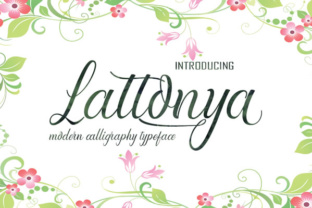
Lattonya: A Handmade Font That Moves Like a Dancer
Typefaces shape how people read, feel, and respond to what you put in front of them. Most fonts sit still on the page—predictable, uniform, safe. But every now and then, a typeface comes along that breaks that pattern. Lattonya is one of those exceptions. Designed by hand with characters that rise and fall, smooth and deliberate like a dancer in motion, this font brings a sense of rhythm and personality to any project.
If you have ever struggled to make your work feel less rigid or more human, Lattonya might be the tool you did not know you needed. It does not just display text. It adds movement, warmth, and a tactile quality that standard digital fonts rarely deliver.
What Makes Lattonya Different from Standard Fonts
Most commercial fonts are built on strict geometric grids. Every letter sits on a baseline, each curve is mathematically precise, and spacing is calculated for maximum consistency. That works well for body text in books, reports, or legal documents. But for projects that require a personal touch, that uniformity can feel cold.
Lattonya takes a different approach. Every character was drawn by hand, which means no two letters are mechanically identical. The up-and-down movement across the alphabet gives the font a natural bounce—like a dancer shifting weight from one foot to the other. Some letters stretch upward, others dip lower, and the overall flow feels organic rather than programmed.
This handmade quality makes Lattonya particularly effective when you want your audience to sense a human presence behind the words. Whether you are designing a brand identity, a product label, or a social media post, that subtle sense of motion draws the eye and holds attention longer than a static typeface might.
Why Movement in Typography Matters for Your Projects
Typography is not just about legibility. It is about emotion and energy. When you read a font that feels static, your brain processes it as neutral information. When you encounter a font with natural variation—like Lattonya’s rising and falling characters—your brain registers it as something alive. That shift is subtle, but it changes how people perceive your content.
For marketers and small business owners, this can mean the difference between a message that gets ignored and one that resonates. A headline set in Lattonya feels more approachable. A call-to-action button feels more inviting. Even a simple greeting card or invitation gains a layer of warmth when the letters themselves seem to move.
Bloggers and content creators can also benefit. Many readers skim through articles and posts quickly. But when you use a font with personality in your headers or pull quotes, you create visual breakpoints that slow the eye down. Lattonya’s dancer-like flow gives those moments a gentle emphasis without needing bold colours or heavy graphics.
Practical Applications Where Lattonya Shines
Not every project needs a handmade font. But for specific use cases, Lattonya delivers results that standard typefaces cannot match. Here are a few situations where its unique movement works especially well.
Branding for Creative and Lifestyle Businesses
If you run a boutique studio, a creative agency, a wellness brand, or an artisan product line, your visual identity needs to communicate personality at a glance. Lattonya helps you stand out without shouting. Its smooth, dancer-like characters suggest grace, care, and authenticity. A logo or wordmark built with this font immediately signals that your brand values craftsmanship over mass production.
For freelancers and entrepreneurs building a brand from scratch, choosing a font with inherent movement can save time. You do not need to add decorative flourishes or custom illustrations to make your materials feel unique. Lattonya does that work for you.
Invitations, Event Materials, and Personal Projects
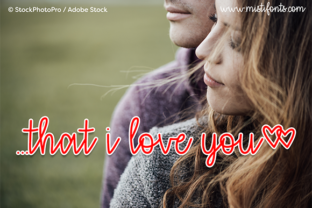
Wedding invitations, party flyers, save-the-date cards, and event programmes all benefit from typography that feels celebratory. Lattonya’s up-and-down rhythm mirrors the excitement of a special occasion. It reads like handwriting from someone who cares, not like a template from a machine. For hobbyists and educators creating materials for community events or school functions, this font adds a polished yet approachable feel that guests and attendees notice.
Social Media Graphics and Digital Content
Social media feeds are crowded. Every post competes for a split second of attention. Using a font with a distinctive silhouette—like Lattonya’s undulating characters—helps your content stand out in a sea of Helvetica and Arial alternatives. Instagram stories, Pinterest pins, and YouTube thumbnails all benefit from type that feels handcrafted. It gives your audience a reason to pause and look closer.
Product Packaging and Labels
Small-batch products, homemade goods, and artisanal items rely on packaging to tell a story. A font that moves like a dancer suggests the same care went into the product itself. Whether you sell candles, soaps, baked goods, or handcrafted apparel, Lattonya on a label communicates that your work is personal, not industrial.
Who Benefits Most from Using Lattonya
While any creative professional can find uses for this font, some groups will see especially strong results.
Small business owners and solopreneurs often wear every hat in their company—including designer. If you do not have a dedicated branding team, Lattonya gives you a professional-looking tool that adds polish to your materials without requiring advanced design skills. Its natural rhythm makes even simple layouts feel intentional.
Marketers and brand managers looking for ways to differentiate their voice in a crowded market will appreciate how Lattonya softens corporate messaging. It works well for lifestyle brands, hospitality businesses, and any industry where emotional connection matters more than technical precision.
Educators and workshop facilitators creating handouts, worksheets, or course materials can use Lattonya to make their content feel less formal and more engaging. Students respond better to materials that look approachable. The font’s dancer-like quality adds a sense of energy that keeps learners interested.
Hobbyists and DIY creators working on personal projects—scrapbooks, journals, handmade cards, or digital art—will find Lattonya easy to pair with illustrations and photographs. It does not fight for attention. It complements other visual elements while still holding its own.
Limitations and Fit Considerations
No font works for every situation, and Lattonya is no exception. Because its characters are designed to move up and down, it is not ideal for long blocks of body text. Reading paragraph after paragraph in a font with variable heights can cause eye fatigue. Save it for headlines, short phrases, logos, and accent text where its rhythm can shine without overwhelming the reader.
Similarly, if your project requires strict conformity—like legal documents, academic papers, or corporate reports—Lattonya is probably not the right choice. Its handmade charm works against the neutrality those formats demand.
When evaluating whether Lattonya fits your project, think about the mood you want to create. If you need trustworthy, stable, and serious, choose a conventional serif or sans-serif. If you want warm, creative, and human, Lattonya is a strong candidate.
How to Make the Most of Lattonya in Your Work
Getting the best results from Lattonya starts with pairing it thoughtfully. Because the font already carries a lot of visual personality, keep other design elements simple. Pair it with a clean sans-serif for secondary text. Use neutral backgrounds and minimal ornamentation. Let the font do the work.
Consider size carefully. Lattonya’s up-and-down movement becomes more noticeable at larger sizes. Use it at 24 points or above for maximum impact. At very small sizes, the variation between characters can make words harder to read, so stick to larger applications for best results.
Colour also matters. Lattonya looks especially good in warm tones—terracotta, mustard, soft pink, or deep olive. These colours complement its handmade feel. But it also holds up well in black or white for more restrained designs.
For publishers and content managers working on digital products, consider using Lattonya for headings and pull quotes while keeping body text in a more standard font. This creates a clear visual hierarchy that guides readers through your content naturally.
A Font That Moves with Your Ideas
Typography is often treated as a background element—something readers see but do not notice. But the best typefaces do more than carry words. They shape the way those words feel. Lattonya, with its hand-drawn characters and dancer-like flow, brings a sense of motion and humanity to every project it touches.
Whether you are building a brand, launching a product, creating content, or working on a personal project, the right font can elevate your message in ways you might not expect. Lattonya gives you that lift without requiring extra effort on your part. Its characters rise and fall naturally, smoothly, like a dancer who knows exactly where the next step will land.
If you have been searching for a typeface that feels less like a machine and more like a person—something with rhythm, warmth, and a little bit of soul—Lattonya is worth exploring. It may just be the missing piece that makes your next project come alive.