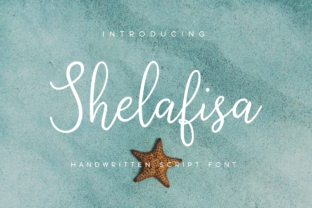
Shelafisa: A Handwritten Script Font That Brings Movement to Your Designs
When you open a font library, you often see the same typefaces again and again. Sans-serif and serif families dominate, and while they serve their purpose, they rarely surprise. If you have been looking for something that adds genuine personality and visual rhythm to your work, Shelafisa offers a refreshing alternative. This handwritten script font does not simply sit on the page; it dances and flows, bringing motion and energy that static fonts cannot match. For designers, marketers, entrepreneurs, and creatives who want to communicate warmth, elegance, or spontaneity, understanding what Shelafisa can do for your projects may open doors you had not considered.
What Makes Shelafisa Different from Standard Script Fonts
Many script fonts aim for neatness or uniformity. They try to look like handwriting but often end up stiff. Shelafisa takes a different approach. Its letterforms are carefully drawn to create real movement. Each character connects to the next with natural sweeps and curves that mimic the flow of a skilled calligrapher's hand. This is not a font that stays on the baseline; it rises and falls, giving each word a unique cadence. For readers, this translates into a feeling of authenticity and human touch that rigid fonts cannot replicate. When you use Shelafisa in a headline, logo, or invitation, you are not just displaying text; you are inviting people into a visual experience that feels alive.
How Shelafisa Supports Your Creativity and Saves Time
One of the challenges in design is finding a typeface that conveys the right mood without requiring extensive customization. You could spend hours tweaking kerning or adjusting letter spacing to simulate spontaneity, but with Shelafisa, much of that work is already done. The font's natural rhythm reduces the need for manual adjustments. This is especially valuable for freelancers and small business owners who need to produce polished work under tight deadlines. Instead of wrestling with mechanics, you focus on composition and message. Shelafisa gives you a tool that feels both expressive and efficient. Whether you are designing a wedding invitation, a social media graphic, or a product label, you achieve a look that suggests personal attention and care—without the extra hours.
Practical Benefits for Brands and Marketers
For marketers and entrepreneurs, establishing an emotional connection with an audience is essential. A cold, corporate typeface may convey professionalism, but it rarely builds warmth. Shelafisa, on the other hand, communicates approachability and creativity. If you run a boutique brand, a creative agency, or a lifestyle blog, this font can help your visual identity feel more human. It works particularly well for headlines, pull quotes, and short phrases where you want to capture attention and set a tone. Using Shelafisa in a logo or hero image can signal that your business values craftsmanship and individuality. However, it is worth noting that the font's expressive style may not suit every industry. For legal documents, financial reports, or highly formal communications, a more restrained typeface might be appropriate. Part of being a smart designer is knowing when a font's personality matches the context, and Shelafisa shines in settings where creativity and human connection matter most.
Who Benefits Most from Using Shelafisa
Different professionals will find different uses for this font, but some groups stand to gain more than others:
- Freelance designers and illustrators often need a signature style that sets their work apart. Shelafisa can become part of that signature, adding a distinctive handwritten touch to portfolios, business cards, and client presentations.
- Social media content creators and influencers require visuals that stop the scroll. A heading set in Shelafisa can add warmth to quotes, announcements, or promotional posts, making profiles feel more personal.
- Event planners and wedding coordinators rely on invitations and signage that feel bespoke. Shelafisa lends itself beautifully to place cards, menus, and welcome signs, giving events an elegant, handcrafted feel without the cost of a live calligrapher.
- Small business owners in lifestyle, beauty, food, or creative services can use Shelafisa across packaging, websites, and marketing materials to reinforce a brand identity that feels artisanal and thoughtful.
- Educators and course creators who design presentations, worksheets, or digital content can use the font to make material feel more inviting and less institutional, especially for topics related to art, writing, or personal development.
Realistic Use Cases Where Shelafisa Excels
To understand this font's potential, consider a few specific scenarios. Imagine a small-batch coffee roaster designing bags for their seasonal blend. Using Shelafisa for the blend name on the front creates an artisanal feel that matches the product's handcrafted nature. Customers are more likely to perceive care and quality. Another example: a freelance graphic designer preparing a client proposal. Using Shelafisa sparingly for the project title or key section headers can make the document feel more creative and client-focused, setting a collaborative tone before the work even begins. For a lifestyle blogger, a quote graphic featuring Shelafisa over a soft background can increase engagement on social media by making the content feel more personal and less like a stock image template.
It is also worth considering limitations. Shelafisa's flowing style may become difficult to read at very small sizes or in long paragraphs. For body text, it is generally better to pair it with a simple, readable companion font. The font shines in display contexts where its curves and movement have room to breathe. If you are designing a multi-page document, consider reserving Shelafisa for titles, subtitles, or accent words, and using a cleaner font for the main content. This combination gives you the best of both worlds: the energy of a handwritten script and the clarity of a traditional typeface.
How Shelafisa Helps Strengthen Communication
Typography is a silent communicator. Before someone reads a single word, the font has already started speaking. Shelafisa communicates intention, care, and artistry. When you choose this font, you tell your audience that you value beauty and emotion, not just information. This can be especially powerful for thank-you notes, greeting cards, or personal branding projects where the goal is to connect on a deeper level. The font's natural flow also helps guide the reader's eye, making text feel more dynamic and less static. In a world full of digital noise, any tool that helps your message stand out with authenticity is worth serious consideration.
Thoughtful Observations on Choosing Shelafisa
No font is perfect for every project, and Shelafisa is no exception. Its strength lies in its personality, but that personality may not align with every brand voice or design objective. If your project requires extreme formality, minimalism, or neutral readability, you may want to look at more restrained options. However, if your goal is to create an emotional impression, to show that a human hand was involved in the work, or to add a sense of celebration and flow to your design, Shelafisa is a strong candidate. Take time to test it at different sizes and on different backgrounds. See how it interacts with the other elements on your page. When you find the right context, the font will feel like a natural extension of your creative vision rather than an add-on.
For professionals who work with invitations, branding, social media, or any creative project that benefits from a human touch, Shelafisa offers a tool that saves time, enhances communication, and adds visual interest. It is not just another script font; it is a crafted piece of design that brings motion and soul to your words. When you use it wisely, the results can feel effortless and meaningful—exactly what thoughtful design should achieve.