Decoding Antaris Stencil: How Deliberate Imperfection Shapes Modern Visual Communication
Typography has always been a vessel for meaning, but certain typefaces carry an extra layer of narrative. Antaris Stencil is one such face—a design that bridges the gap between ancient marking systems and contemporary brand storytelling. In an era where audiences are saturated with polished, algorithmic visuals, the raw, interrupted strokes of Antaris Stencil offer something rare: a sense of authentic, tactile presence. This article explores why this particular stencil typeface is gaining traction among professionals, creators, and marketers, and how it fits into larger shifts in design thinking and visual communication.
What Is Antaris Stencil? More Than a Typographic Style
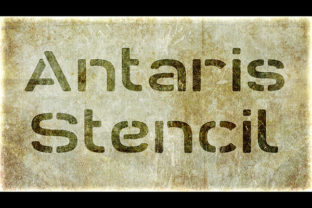
At its core, Antaris Stencil is a typeface that adopts the structural constraints of stencil lettering—where characters are broken into disconnected segments to allow for physical reproduction through cut-out templates. But what sets it apart is the specific character it evokes. Drawing from the same lineage as the Antaris family, this stencil variant inherits a strong, upright geometry reminiscent of lettering found on military concrete walls, wooden cargo boxes, and even ancient stone carvings. The result is a font that feels both authoritative and weathered, as if each letter has a history.
For professionals in branding, packaging, and digital design, Antaris Stencil provides a tool that communicates durability, function, and a certain lost significance. It is not a neutral typeface; it carries context. Whether used in a headline, a logo, or a campaign visual, it immediately signals a departure from the sanitized, corporate aesthetic that dominates much of modern media. This is typography with a memory.
The Return of Tactile Authenticity in a Digital-First World
One of the most significant trends shaping the creative and marketing industries today is the demand for tactile authenticity. As consumers become more discerning, they gravitate toward brands and messages that feel real, grounded, and human. This is where Antaris Stencil finds its natural relevance.
Consider the visual language of the past decade: sleek sans-serifs, minimalist layouts, and an obsession with perfection. While these approaches still have their place, there is a growing counter-movement—one that embraces imperfection, texture, and the marks of human hands. Stencil typefaces, by their very nature, are imperfect. The gaps between strokes, the slight irregularities in alignment, the visual echo of a physical process—all of these qualities make Antaris Stencil feel less like a digital artifact and more like an object you could touch.
For entrepreneurs and marketers, this shift is critical. In a crowded digital landscape, visual distinction often comes down to emotional resonance. Using Antaris Stencil in a campaign or product design can instantly communicate values like ruggedness, heritage, craftsmanship, or even rebellion—without a single word of copy.
Why Creative Professionals Are Paying Attention
Designers and art directors are always searching for typefaces that add narrative without requiring explanation. Antaris Stencil does exactly that. When applied to packaging for artisanal goods, for example, it suggests a product that is made by hand, perhaps in small batches, with attention to detail. On a poster for a cultural event, it evokes the grit of street art or the permanence of a monument.
Freelancers and independent creators, in particular, are drawn to its versatility. Antaris Stencil works equally well in print and digital contexts. It holds its own at large sizes for headlines, but also remains legible and distinctive in smaller applications like labels or social media graphics. The key is that it does not fade into the background. It demands attention, yet does so with a sense of purpose rather than spectacle.
Industry Applications: Where Antaris Stencil Delivers Maximum Impact
The practical applications for Antaris Stencil span multiple sectors, each leveraging its unique visual voice for specific outcomes.
Branding and Identity Design
For brands that position themselves as alternatives to mass-market options—think craft breweries, outdoor equipment makers, independent coffee roasters, or heritage-focused startups—Antaris Stencil aligns perfectly with a visual identity built on authenticity and substance. It can anchor a logo, appear on merchandise, or unify a suite of collateral. The stencil aesthetic communicates that the brand is built to last and is not afraid to show its working process.
Packaging and Product Design
In retail environments where shelf competition is fierce, packaging must communicate quickly. Antaris Stencil cuts through the noise with its bold, no-nonsense character. It pairs well with muted color palettes, natural materials like kraft paper or raw wood, and photographic styles that emphasize texture. The result is a package that feels like it was marked with intention, not just printed on a line.
Editorial and Publishing
Magazines, zines, and online publications that cover topics such as travel, architecture, urban culture, or design benefit from Antaris Stencil's ability to anchor a spread. It gives editorial layouts a grounded, almost documentary feel—as if the words were stenciled onto the page rather than typeset. This can be especially effective for photo essays, profiles of makers or builders, and content that explores the intersection of the old and the new.
Digital and Social Media Content
Contrary to the assumption that stencil typefaces are only for print, Antaris Stencil translates effectively to screens. In video titles, thumbnail graphics, and quote cards, it adds a layer of visual interest that standard fonts cannot replicate. For creators and marketers producing content around topics like craftsmanship, adventure, or resilience, it reinforces the message before the audience reads a single word.
Changing Needs, Preferences, and Workflows
The rise of Antaris Stencil is not an isolated phenomenon. It reflects deeper changes in how audiences and creators approach visual communication.
First, there is a growing preference for visual honesty. People are increasingly skeptical of overly polished content. They want to see the seams, the process, and the human element. Antaris Stencil delivers this by its very structure. The broken strokes and open gaps are not flaws; they are features that signal transparency and integrity.
Second, workflows are evolving. With the democratization of design tools, more entrepreneurs and freelancers are producing their own marketing materials. Typefaces like Antaris Stencil lower the barrier to creating professional-looking work that stands out. A small business owner can use it in a social media post and immediately communicate a level of intentionality that would otherwise require a full design agency.
Third, the line between physical and digital experiences continues to blur. Brands that operate both online and offline need typefaces that work across mediums. Antaris Stencil maintains its character whether it is embossed on a box, painted on a wall, or rendered on a screen. This consistency is invaluable for cohesive brand experiences.
Practical Observations for Implementation
To make the most of Antaris Stencil, professionals should consider the following based on real-world usage patterns:
- Pair with contrast: Use Antaris Stencil alongside more neutral, clean typefaces for body text. This creates a dynamic hierarchy where the stencil acts as the anchor.
- Respect spacing: The open gaps in stencil characters can make tracking feel tighter than it is. Adjust letter-spacing carefully to maintain readability, especially at smaller sizes.
- Leverage texture: Apply Antaris Stencil in contexts where texture is already present—photography of raw materials, gritty urban settings, or handmade products. The typeface will feel like a natural extension of the environment.
- Avoid overuse: Because Antaris Stencil is highly distinctive, it works best as an accent or primary display face rather than a workhorse for extended reading. Let it carry the weight of your most important headlines and calls to action.
- Test in motion: In video or animated graphics, Antaris Stencil can be used for kinetic typography where the gaps and segments create visual rhythm. This is particularly effective for opening titles or transition cards.
Connecting Antaris Stencil to Larger Developments
The growing interest in Antaris Stencil mirrors broader cultural and technological shifts. We are in an era of re-materialization—a return to the tangible after years of virtual dominance. People are seeking objects and experiences that feel real, durable, and meaningful. In design, this translates to a preference for typefaces and visual systems that reference physical processes.
Simultaneously, the sustainability movement influences how brands present themselves. A stencil typeface, with its industrial and utilitarian roots, aligns with values of efficiency, functionality, and longevity. It suggests a product or service that is designed to last, not to be disposable. For marketers and entrepreneurs building purpose-driven brands, Antaris Stencil offers a visual shorthand for these values.
Finally, the rise of neo-utilitarian aesthetics in fields from architecture to fashion points toward a collective desire for clarity and purpose. Ornamentation is giving way to forms that serve a function. Antaris Stencil—born from the practical need to mark crates, walls, and equipment—embodies this philosophy. It is not decoration; it is communication stripped to its essentials.
Conclusion: A Typeface for the Grounded Creator
Antaris Stencil is more than a stylistic choice. It is a signal. In a visual culture that often prioritizes polish over presence, it offers a way to root messages in something older, more tactile, and more honest. For professionals, creators, and entrepreneurs who want their work to resonate on a deeper level, Antaris Stencil provides a bridge between the raw and the refined, the ancient and the contemporary.
Whether you are designing a brand identity, packaging a product, or crafting a campaign, consider what Antaris Stencil brings to the conversation. It is not just a font; it is a perspective—one that values substance, history, and the beauty of deliberate imperfection. In a world of infinite digital noise, sometimes the most powerful thing you can do is leave a mark that looks and feels like it was made with intent.