Ismelda: The Handwritten Font That Adds a Personal Touch to Real-World Projects
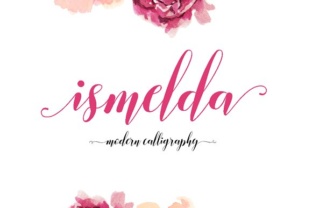
If you’ve ever drawn a note or a sign and wished it looked a little more intentional – but still human – there’s a good chance you’ve scrolled past dozens of handwritten fonts. Many feel either too perfect or too messy. Then there’s Ismelda, a handwritten font from Area Type that manages to feel like someone actually wrote it, with all the warmth and slight irregularity that makes real handwriting appealing. But what does that actually mean in practice? How do people use a font like this beyond just "making something look handwritten"? Let’s walk through some real situations where Ismelda shifts from being a typeface to a tool that solves a problem or creates a feeling.
When Your Personal Brand Needs to Sound Like a Human
Think about the last time you saw a social media post from a small creator or a freelancer. The ones that stop your scroll usually have something honest about them – a caption that sounds like a friend, and visuals that don’t feel templated. Ismelda works well here because it brings a handwritten quality without looking like a child’s scrawl. For Instagram stories, highlight covers, or blog headers, it gives a sense of immediate, personal communication. You might use it for a short quote on a photo, a "hello" on your homepage, or a thank-you card insert that ships with orders. People respond to that. It feels like someone took the time to write it just for them, even though it’s typed.
A friend of mine who runs a modest Etsy shop for small-batch candles switched her thank-you cards from a standard script font to Ismelda. She said customers started sending more direct messages about the packaging – not because the font is flashy, but because it feels like a note included by hand. That’s the kind of reaction you can’t get from a rigid serif or a generic sans-serif.
Small Business Signage and Menus That Feel Approachable
Restaurants, cafes, and pop-up shops often struggle with their visual identity. They want to be taken seriously, but also want to feel welcoming. A handwritten font can help, but it has to be readable and not chaotic. Ismelda strikes a balance. It has that slightly uneven baseline you get from actual handwriting, but the letterforms are clear enough that a menu item or a price remains easy to read.
Imagine a chalkboard wall in a brunch spot listing today’s specials. Using Ismelda digitally printed onto that board – or even recreated by hand with a similar style – keeps the aesthetic relaxed and organic. You’re not signing a legal document; you’re inviting someone to try the weekend quiche. In that context, the font becomes part of the experience. It signals that the place cares about detail but isn’t trying too hard.
Event Stationery That Actually Says Something About You
Wedding invitations, save-the-dates, and party announcements are where handwritten fonts shine, but only if they don’t look like every other calligraphy set on the market. Ismelda has enough character to distinguish itself from the swirl-heavy scripts that dominate the wedding aisle. For a couple who wants their invites to feel casual, intimate, or even a little quirky, this font can carry that tone without screaming "handwritten font."
Say you’re planning a backyard wedding with a low-key vibe. The invitation might include Ismelda for the names and the big details, paired with a clean sans-serif for addresses and RSVP info. Guests who receive it tend to comment on how much it matches the personality of the couple – not because it’s trendy, but because it reads like a note they’d actually write to a friend. For birthday parties, gallery openings, or even children’s party invites, the same principle applies. The font brings warmth to a piece of paper that could otherwise feel corporate.
Digital Planners, Journals, and Creative Note-Taking
More people are using digital tools for planning – iPads with note-taking apps, PDF planners, and digital bullet journals. The appeal is often the ability to make it feel custom without needing perfect handwriting. Ismelda works as a handwriting font in these setups because it’s not trying to be your actual handwriting; it’s a consistent substitute that keeps the visual style cohesive.
For example, if you’re designing a digital weekly planner for sale on Etsy, you might use Ismelda for headers, dashes, and short annotations. It gives the planner a warm, sketched feel that encourages users to write over it. The font’s slight irregularities make the whole page feel less rigid, which can help with the mental shift from "this is a spreadsheet" to "this is my personal space for the week." People who struggle with their own handwriting find it liberating to use a font that looks intentional but still human.
Art Prints, Posters, and Quote Cards
Any creative who sells prints knows that typography can make or break a piece. A motivational quote in a perfect typeface can feel canned. In Ismelda, the same words might feel like a genuine thought you just had. This is especially useful for minimalist or illustrative prints where the text is the main element. The font’s character adds texture, almost like a brush pen was involved.
I’ve seen it used in line art prints with just a single sentence underneath – something like "be where your feet are." The handwritten look makes the advice feel less like a slogan and more like something someone scribbled in a journal. That authenticity is hard to fake with cleaner fonts. For social media templates, such as quote cards for Instagram or Pinterest, Ismelda works in the same way. It’s distinct enough to be recognizable but soft enough to not distract from the message.
Things to Keep in Mind Before You Download and Use
No font is perfect for every situation, and Ismelda has its own quirks that are worth thinking about. Legibility at very small sizes can be a concern. If you need body text for a paragraph – say, a bio on a product label – Ismelda might strain the eyes. It’s best used for headlines, short phrases, and accents. For longer reading, pair it with a clean sans-serif like Open Sans or Lato. Let Ismelda do the emotional work while the other font handles the heavy lifting.
Another consideration is the character set and language support. Ismelda covers the basic Latin alphabet, but if you need a lot of accents, extended characters, or non-English letters, check the glyph set first. Some handwritten fonts skimp on these, and you might find yourself manually adjusting diacritics. Also, think about licensing. Ismelda is available for desktop and web use, but if you plan to use it in a commercial product (like a planner you sell or a logo for a client), make sure your license covers that. Area Type usually provides clear licensing terms, but it’s always worth a quick read.
One more thing – context matters. If your project demands extreme formality, like a law firm’s letterhead or a medical brochure, a handwritten font will likely feel out of place. Ismelda works best where personal connection, creativity, or approachability is the goal. Use it intentionally, not just because you like the shape of the letters.
Who Feels the Impact Most
Different people take different things from a font like this. A graphic designer might use it to add a quick human element to a mockup or brand identity. A small business owner could lean on it to create packaging that communicates care without hiring a lettering artist. A stationery enthusiast might pick it because it matches the exact pen-and-paper vibe they recall from their favorite notebook. A social media manager might rotate it into Instagram story templates every month to keep the feed feeling alive and personal.
The common thread is that they’re all looking for authenticity without the time investment of actual handwriting. Ismelda gives you that. It’s not a magic wand – you still need good composition, appropriate pairing, and a clear idea of what your project is trying to say. But when you slot it in for the right moment, the response tends to be positive. People notice the difference, even if they can’t quite articulate why.
If you’re already familiar with handwritten fonts, Ismelda is worth a close look because it avoids the extremes. It’s not too bouncy, not too neat, not too stylized. It just sits there, looking like something you’d write when you’re thinking clearly and moving the pen with intention. For anyone building something that needs a voice – not just words – that’s a valuable trait.