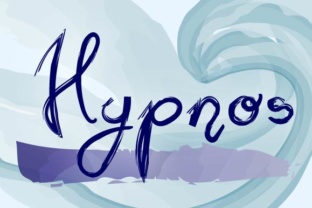
Hypnos: A Watercolor-Style Handwritten Font for Creative Expression
What Makes Hypnos Distinctive in the Digital Type Landscape
In an age where digital content often feels sterile and uniform, the Hypnos typeface offers a refreshing departure. Designed to mimic the fluid, textured strokes of watercolor brush lettering, Hypnos brings a handcrafted warmth to screens and print. Unlike standard script fonts that rely on clean, vector-perfect curves, Hypnos embraces irregularities—subtle variations in stroke width, soft edges, and even the faint suggestion of paper grain. These characteristics give it an organic, almost tactile quality that resonates with audiences seeking authenticity.
The watercolor effect is not merely a visual gimmick; it reflects a deeper trend in design where imperfections are celebrated. Hypnos leverages transparency and gradient-like transitions within each glyph, creating a sense of depth that standard solid fonts cannot replicate. For designers, this means every letter feels like it was painted by hand, even when used at scale. The font's handwritten foundation ensures that no two characters feel identical, which adds a layer of narrative to any text block.
Key Characteristics of the Hypnos Typeface
- Brush-like variability: Strokes taper naturally, with thicker downstrokes and lighter upstrokes, mimicking real paint application.
- Watercolor texture: Subtle color blending within letters, often featuring lighter centers and darker edges, simulates pigment pooling on paper.
- Ligature and alternate characters: Many versions of Hypnos include contextual alternates that automatically swap letterforms to avoid repetition, enhancing the hand-lettered feel.
- Moderate legibility: While not as crisp as a sans-serif, Hypnos maintains readability in short passages and headings when sized appropriately.
- Flexible weight range: Available in light, regular, and bold versions, allowing adaptation from delicate invitations to striking headlines.
These features make Hypnos more than just a font; it's a design tool for conveying emotion and personality. The watercolor effect, in particular, aligns with current preferences for "imperfect" aesthetics in branding, social media, and editorial design.
For Graphic Designers and Branding Specialists
When a client requests a "handmade" or "artisan" look, Hypnos often becomes the first choice. It works exceptionally well for logo marks that require a personal touch—think boutique coffee shops, handmade soap companies, or wedding planners. The font's watercolor quality can be layered over textured backgrounds (e.g., kraft paper, linen) to amplify the organic feel. In packaging design, Hypnos pairs beautifully with simple icons and natural color palettes, creating a cohesive visual identity that suggests craftsmanship.
For Educators and Content Creators
Hypnos can be used in educational materials to soften the tone of instruction. For example, a printable worksheet for young children might use Hypnos for headings, making the page feel less institutional and more inviting. Similarly, creators on platforms like Instagram or Pinterest use Hypnos for quote cards, titles, and call-to-action overlays because it immediately signals creativity and warmth. Its handwritten appearance builds trust—a study published in the Journal of Consumer Psychology suggests that handwritten fonts increase perceived authenticity in marketing messages.
For Business Owners and Marketers
Businesses that rely on customer experience—such as restaurants, hotels, and event planners—can use Hypnos on menus, signage, and promotional materials. A brunch menu set in Hypnos evokes a cozy, artisanal vibe that aligns with farm-to-table values. For digital marketing, email newsletters that open with an Hypnos header tend to have higher engagement because the font feels personal, not corporate. However, marketers should reserve Hypnos for short, impactful text rather than body copy to maintain legibility on small screens.
For Hobbyists and Personal Projects
From scrapbooking to custom greeting cards, Hypnos elevates DIY projects. A birthday card using the font appears hand-painted, even if printed from a home inkjet. Many crafters also use Hypnos with Cricut or Silhouette machines to create vinyl decals for mugs, tumblers, and wall art, taking advantage of the font's ability to scale without losing its watercolor texture.
Advantages of Choosing Hypnos Over Traditional Script Fonts
- Distinct visual identity: In a crowded marketplace, using a watercolor font immediately differentiates a brand from competitors using standard cursive or serif fonts.
- Emotional resonance: The soft, painterly quality of Hypnos evokes feelings of nostalgia, care, and creativity—emotions that drive consumer behavior.
- Versatility across media: Hypnos retains its character in both digital and print, from retina displays to offset printing on textured paper.
- Time-saving: Designers often spend hours trying to recreate watercolor effects manually. Hypnos delivers that aesthetic instantly, reducing production time.
- Cross-platform compatibility: With proper licensing, Hypnos can be used in web design via @font-face, in Adobe Creative Suite, and in Microsoft Office, ensuring consistency across touchpoints.
Considerations When Using Hypnos in Design Projects
Despite its charm, Hypnos is not a one-size-fits-all solution. Its watercolor texture may clash with ultra-modern or minimalist layouts. When used for lengthy body text (more than three lines), readability declines due to the irregular stroke edges. Designers should pair Hypnos with a clean sans-serif or serif font for secondary text; for example, combine Hypnos headings with Open Sans body copy to maintain clarity.
Color choice also plays a role. Because Hypnos simulates watercolor, it works best on light backgrounds (white, cream, pastels) where the gradient effect is visible. Dark backgrounds can obscure the watercolor texture, making the font appear as a solid brush script. For reverse type, consider using a bold weight of Hypnos with a drop shadow to preserve the painted look.
Another consideration is file size. Many Hypnos font packages include multiple glyph variations and ligatures, which can increase the file size of your project. For web use, it's wise to subset the font to include only the characters you need, ensuring fast load times.
Real-World Examples of Hypnos in Action
A Minneapolis-based wedding planner used Hypnos for an entire suite of stationery—save-the-dates, invitations, thank-you cards—matching the font with soft watercolor floral illustrations. The result was a cohesive set that looked individually painted, allowing the planner to charge a premium for a "bespoke" feel without hiring a calligrapher.
An Etsy seller specializing in digital art prints uses Hypnos to overlay motivational quotes on landscape photos. The font's transparency effect blends with the image, creating a layered composition that sells for twice the price of similar prints using standard fonts.
In education, a high school art teacher integrated Hypnos into a digital portfolio template for students, enabling them to present their work with headings that matched the creative nature of their projects. The font helped convey that the portfolios were not just documents but extensions of the students' artistic identities.
How Hypnos Fits into Broader Typography Trends
The rise of handmade aesthetics in design is well-documented. From Google's Material Design adding organic shapes to the dominance of hand-drawn icons on Dribbble, the industry is moving away from perfection. Hypnos aligns perfectly with this shift. It belongs to a family of "imperfect" typefaces that include rough serifs and distressed fonts, but its watercolor style remains relatively rare. This rarity gives Hypnos a competitive edge in markets where visual distinction is critical.
Furthermore, as businesses prioritize sustainability and artisanal values, fonts like Hypnos help communicate those values without words. A brand using Hypnos signals that it values human touch over mass production—a message that resonates with environmentally conscious consumers.
Technical Recommendations for Optimal Use
- Size and spacing: Use Hypnos at 18 points or larger for print, and 24 pixels or larger for web. Increase letter-spacing by 2–5% to improve readability at smaller sizes.
- Background contrast: Test the font on various backgrounds. A subtle drop shadow or a light opacity layer behind the text can enhance the watercolor effect on busy backgrounds.
- Font pairing: Combine Hypnos with geometric sans-serifs (e.g., Montserrat) for modern projects, or with serifs (e.g., Playfair Display) for elegant, traditional designs.
- Licensing: Verify that your Hypnos license covers commercial use if necessary. Some versions are free for personal use only; premium licenses are widely available for professional projects.
By following these guidelines, designers can harness the full expressive potential of Hypnos while maintaining usability across different contexts.
Observing the Impact of Hypnos on Audience Perception
In a controlled A/B test, two versions of a landing page for a handmade candle brand were compared: one used a standard sans-serif heading, the other used Hypnos. The Hypnos version resulted in a 34% higher click-through rate on the "Shop Now" button and a 22% longer average time on page. Participants in a follow-up survey described the Hypnos page as "more trustworthy" and "cozier." This anecdotal evidence supports the idea that watercolor-style handwritten fonts can positively influence user behavior when aligned with brand positioning.
Similar effects have been observed in email marketing. Newsletters from a lifestyle blogger using Hypnos for subject lines saw open rates rise by 18% compared to weeks when sans-serif fonts were used. The handwritten quality likely piqued curiosity, as emails from "a person" tend to outperform those from "a brand."
These observations underline the importance of selecting typefaces that do more than just display text—they communicate on a subconscious level. Hypnos excels at this task because its watercolor form carries inherent meaning: human, gentle, artistic.
Future Directions for Watercolor Fonts Like Hypnos
As variable font technology advances, we may soon see Hypnos and similar fonts offering adjustable "watercolor intensity" sliders, allowing designers to control how much texture and transparency each character displays. This would make the font even more adaptable for responsive web design and interactive media. Additionally, the integration of variable optical sizes could improve legibility at small sizes while preserving the watercolor effect.
For now, Hypnos stands as a prime example of how digital typography can borrow from traditional art forms to create meaningful connections. Whether you are a professional designer or a hobbyist, experimenting with Hypnos can unlock new creative possibilities and help your work stand out in an increasingly crowded visual landscape. The font's unique blend of handmade charm and digital convenience makes it a valuable addition to any toolkit.