It Is Definitely Possible: A Handwritten Font for Creative Projects
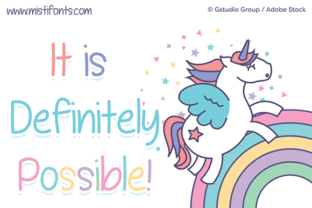
When you need a typeface that feels personal, warm, and genuinely handmade, It is Definitely Possible delivers exactly that. This handwritten font doesn’t try to be perfect—and that’s its greatest strength. With irregular strokes, playful loops, and a natural rhythm, it brings authenticity to any design or craft project. Whether you’re building a brand, decorating a planner, or creating content for social media, this font adds a human touch that polished typefaces often lack.
Handwritten fonts have become a staple in modern design because they break the formality of standard serifs and sans-serifs. It is Definitely Possible stands out by offering something rare: it looks like it was written by a real person, not a machine. Every character feels slightly different, as if the writer varied their pressure and speed. That imperfection makes it incredibly versatile for both digital and physical projects. Let’s explore what makes this font special, how different creatives can use it, and practical ways to keep your results clear and audience-friendly.
What Makes It is Definitely Possible Unique?
At first glance, It is Definitely Possible resembles a casual handwritten note. But look closer, and you’ll see careful attention to spacing, readability, and character consistency. The font includes both uppercase and lowercase letters, numbers, and punctuation, making it suitable for longer texts—not just short headlines. Its medium weight ensures it remains legible even at smaller sizes, while the slightly bouncy baseline gives it energy without becoming distracting.
Unlike many handwritten fonts that feel overly cute or childish, this one strikes a mature balance. It can be used for professional branding, product packaging, or editorial design without looking amateur. The name itself—It is Definitely Possible—suggests optimism and determination, which makes it an excellent choice for motivational quotes, business cards, or any project that wants to inspire confidence.
Another key feature is its adaptability. The font works beautifully on white or colored backgrounds, overlays nicely on photos, and pairs well with clean sans-serif fonts for contrast. You can scale it up for posters or scale it down for small labels without losing its character. That versatility is rare in handwritten fonts, which often break at extreme sizes.
Creative Applications and Project Ideas
The real magic of It is Definitely Possible happens when you put it to work. Below are some practical ideas organized by medium and audience. Each suggestion focuses on how the font enhances the message and how you can modify it for different contexts.
Social Media Graphics and Digital Content
For Instagram, Pinterest, or Facebook posts, handwritten fonts help your content feel more relatable and spontaneous. Use It is Definitely Possible for quote cards, announcements, or product highlights. Pair it with a clean sans-serif body font for contrast—this keeps the handwritten element as the visual anchor without overwhelming the viewer.
- Motivational quotes: The font’s name itself works as a perfect tagline. “It is definitely possible” becomes a statement of belief. Try it over a soft gradient background or a nature photo.
- Product launches: Use the font for short callout phrases like “New” or “Limited Edition.” The handwritten feel makes the announcement seem more personal, almost like a note from the creator.
- Story highlights: Create consistent covers for Instagram Highlights. Use the font for labels like “Tips,” “Behind the Scenes,” or “FAQ.”
To maintain readability, avoid using the font for long paragraphs on mobile screens. Keep it to headlines, subheads, or short phrases. You can also adjust letter spacing slightly to improve legibility at small sizes.
Branding and Business Materials
Small business owners and freelancers often struggle to balance professionalism with personality. It is Definitely Possible can bridge that gap. Use it on your logo, website headers, or business cards if your brand identity is warm, approachable, or creative.
- Logo wordmark: Combine the font with a simple icon or symbol. The handwritten look works especially well for bakeries, flower shops, coaching services, or artisanal brands.
- Packaging labels: Print labels for jars, boxes, or bags using the font. It gives handmade products an authentic artisan feel.
- Email headers: Use the font in your email newsletter masthead or as a signature element. It makes your emails feel like a personal message rather than a mass broadcast.
When using this font for branding, ensure consistency across all materials. Use the same version (regular, bold if available) and color. Pair it with a simple body font like Open Sans or Lato to avoid visual clutter.
Planners, Journals, and Craft Projects
For hobbyists and craft lovers, It is Definitely Possible brings a scrappy, handmade aesthetic to paper goods. It mimics the look of real handwriting, which makes it ideal for printable planners, bullet journal layouts, or scrapbook titles.
- Printable planner stickers: Design to-do list headers, weekly labels, or habit trackers using the font. Customers love stickers that don’t look mass-produced.
- Bullet journal page titles: Print the font as a base title and then handwrite around it. The combination of printed and real handwriting looks intentional and layered.
- Greeting cards and invitations: Use the font for short messages like “You’re invited” or “Thank you.” The handwritten style adds a personal touch that recipients can feel.
- Art prints: Create typographic posters with single words or short phrases. “Grow,” “Create,” “Dream”—the font’s organic shape makes each letter feel like a brush stroke.
For physical prints, test the font at actual size before mass production. Some handwritten fonts lose sharpness when printed small. It is Definitely Possible holds up well at 12pt and above, but for tiny text, use the largest size your layout allows.
Adapting the Font for Different Audiences and Platforms
Not every audience responds the same way to handwritten typography. Understanding who you’re designing for helps you adjust how you use It is Definitely Possible. Below are strategies for three common audiences.
For Entrepreneurs and Marketers
If your audience is business owners or professionals, use the font sparingly. Overusing a handwritten style can make marketing materials feel unpolished. Instead, reserve the font for headlines, call-to-action buttons, or testimonials. Combine it with a clean grid layout and professional colors. The contrast between the organic font and structured design signals creativity without chaos.
For example, a landing page for a productivity app could use It is Definitely Possible for the headline “Your Goals Are Achievable” and then switch to a simple sans-serif for features and benefits. This draws attention to the core message while keeping the rest easy to scan.
For Educators and Coaches
Teachers, trainers, and life coaches often need materials that feel encouraging and accessible. Handwritten fonts create a sense of warmth and approach. Use It is Definitely Possible for worksheet titles, inspirational posters, or digital course modules. For lesson plan headers, the font signals that the material is meant to be engaging, not intimidating.
A coach offering goal-setting workshops could use the font on a workbook cover: “It is Definitely Possible.” That phrase becomes both the title and a mantra. Pair it with bullet points in a readable font to keep the workbook functional.
For Designers and Creative Professionals
Designers can experiment with this font in more conceptual ways. Use it for mood boards, portfolio titles, or personal brand elements. The font’s irregularity adds texture to minimalist layouts. Try overlaying it on large photographs or using it as a watermark-style background element. Because it looks handwritten, it can soften the crispness of vector graphics.
For packaging design mockups, use the font for ingredient lists or short stories about the product. The handmade feel aligns with artisanal and sustainable brands. Pair it with natural paper textures or hand-drawn icons for a cohesive aesthetic.
Practical Tips for Clear and Effective Use
To make sure your projects look polished and professional with It is Definitely Possible, follow these guidelines:
- Limit the number of fonts: Using too many typefaces dilutes the handwritten effect. Stick to one handwritten font and one sans-serif or serif companion.
- Watch contrast: On dark backgrounds, use a lighter version of the font or add a subtle outline. On light backgrounds, dark colors work best. Check contrast ratios for accessibility.
- Adjust tracking: Handwritten fonts often have tighter default spacing. If you need more readability, increase letter spacing slightly. For short headings, tighter spacing can look more natural.
- Test on different screens: What looks good in Photoshop may look different on a phone or tablet. Preview your design on actual devices before finalizing.
- Use for emphasis only: Long paragraphs in any handwritten font strain the eyes. Keep body text in a standard readable font. Reserve It is Definitely Possible for headlines, quotes, and short text blocks.
- Consider tone: The font has an optimistic, friendly vibe. Avoid using it for messages that need to be strict, formal, or serious. It might feel mismatched for legal documents or formal announcements.
Balancing Originality with Consistency
One risk of using any popular handwritten font is that it can feel generic if not customized. It is Definitely Possible has enough character to stand out, but you can make it even more original by adding your own tweaks. For digital projects, try rotating some letters slightly (not all) to enhance the hand-drawn feel. For print, consider printing the font and then scanning it with real handwriting added—mixing the two creates a layered, personal texture.
If you’re building a brand, use the font as one element in a larger visual system. Combine it with a consistent color palette, pattern, or illustration style. That way, the font becomes part of your brand language rather than a standalone decoration.
Another approach is to use the font only for specific elements like pull quotes or subheads. This creates a visual rhythm that feels intentional. When every headline uses the same handwritten style, the effect becomes predictable. Instead, treat the font as a special ingredient, not the main dish.
Real-World Examples and Inspiration
Let’s look at three realistic scenarios where It is Definitely Possible elevates the work:
Example 1: A freelance graphic designer creates a personal website. She uses the font for her hero section headline: “Design that tells your story.” The handwritten look makes the statement feel like a personal promise. Below, she uses a clean sans-serif for her portfolio navigation and case study text. The font draws visitors in without overwhelming the layout.
Example 2: A small bakery owner designs labels for jam jars. She prints each label with the font for the flavor name (“Strawberry Rhubarb”) and a short phrase (“Homemade with love”). The font mimics a handwritten price tag, adding authenticity. Customers perceive the product as artisanal and handmade, which justifies a higher price point.
Example 3: A life coach creates a printable goal planner. She uses the font for the title page: “It is Definitely Possible.” Inside, the font appears only on section headers like “Weekly Wins” and “Action Steps.” The rest of the planner uses a simple sans-serif for line items and to-do lists. The handwritten headers give the planner a warm, encouraging feel without sacrificing readability.
Final Thoughts on Using It is Definitely Possible
It is Definitely Possible is more than just another handwritten font. Its blend of natural flow, legibility, and optimism makes it a reliable choice for creators across industries. Whether you’re designing for social media, branding, crafts, or personal projects, this font helps you connect with your audience on a human level. By using it thoughtfully—keeping readability in mind, pairing it with complementary fonts, and adapting the tone to your audience—you can achieve results that feel both creative and professional. The key is to let the font serve your message, not overshadow it. When you do that, your designs will not only look great but also resonate with the people who see them. And that, ultimately, is what makes any project definitely possible.