Sandbanks: The Art of Being Chilled but Aware in a Noisy World
There is a quiet revolution happening in how brands present themselves—and it does not come with neon lights, aggressive calls to action, or slick corporate polish. It arrives instead with a relaxed smile, a slightly imperfect typeface, and a voice that feels like a trusted friend rather than a hungry salesperson. This is the world of Sandbanks, a brand philosophy that embraces a “lazy hand written, fun font” aesthetic while remaining deeply aware of the cultural, commercial, and psychological currents shaping modern business.
Sandbanks is not merely a design choice or a surface-level trend. It represents a shift in how creators, entrepreneurs, marketers, and freelancers connect with audiences who have grown weary of performative professionalism. In a landscape where attention is the scarcest currency, being chill is no longer a liability—it is a strategic advantage. But being truly chilled requires more than a relaxed tone. It demands awareness. And Sandbanks delivers exactly that.
What Sandbanks Actually Is
At its core, Sandbanks is a branding and communication approach that prioritizes authenticity over polish, warmth over urgency, and clarity over noise. The name itself evokes imagery of slow afternoons, steady tides, and grounded presence—qualities that feel almost radical in a business environment obsessed with speed and optimization. But make no mistake: Sandbanks is not slack. It is deliberate.
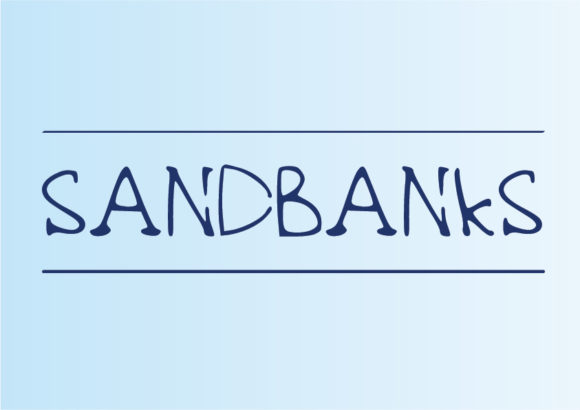
The signature “lazy hand written, fun font” is not about carelessness. It is about signaling humanity. When a brand chooses a typeface that looks like someone actually wrote it, rather than a machine-rendered corporate standard, it communicates something powerful: We are people, speaking to people. That subtle cue lowers defenses, invites curiosity, and creates the kind of micro-moment of connection that can be the difference between a glance and a genuine engagement.
Sandbanks fits into a broader cultural and consumer trend toward de-institutionalized communication. Across industries—from SaaS to lifestyle, coaching to creative services—audiences are gravitating toward brands that feel less like institutions and more like collaborators. The polished, jargon-laden website is no longer a trust signal. In many cases, it is a red flag. People today are conditioned to distrust perfection. They want to see the hand, the voice, the person behind the brand.
Why People Are Paying Attention to Sandbanks
The attention Sandbanks is receiving is not accidental. It taps into a deep and growing need for psychological safety in commercial interactions. When everything around us feels frantic, algorithm-driven, and artificially optimized, encountering a brand that moves at a human pace is genuinely refreshing. It feels like a breath of air in a room that has been sealed shut with metrics and funnels.
Professionals and entrepreneurs are paying attention because they are experiencing the same fatigue as their customers. The grind of constant performance, the pressure to appear perfectly branded, the endless optimization of every pixel and phrase—it is exhausting. Sandbanks offers a different path. It says: You can be effective without being loud. You can be professional without being stiff. You can win without yelling.
For marketers, the appeal is practical. The data increasingly supports the idea that relatability outperforms perfection. Studies on consumer behavior show that authentic, imperfect, and conversational content consistently drives higher engagement rates than polished corporate messaging. Sandbanks aligns with this evidence, offering a framework that is not only emotionally resonant but also commercially viable.
Creators and freelancers, in particular, have embraced the Sandbanks mentality because it aligns with how they actually work. The independent professional does not have a team of copywriters and designers to produce a glossy, impersonal brand identity. What they do have is a voice, a perspective, and a willingness to show up as themselves. Sandbanks validates that approach and gives it a name.
The Changing Needs That Make Sandbanks Relevant
The relevance of Sandbanks is rooted in several converging shifts in the market and in human behavior. First is the decline of trust in institutional voices. Whether it is government, media, or corporations, the authoritative tone no longer carries the weight it once did. People are more likely to trust a peer, a small business owner, or a creator who shares their values. Sandbanks speaks in that peer-to-peer register naturally.
Second is the rise of the skeptical consumer. Modern buyers are highly informed. They have seen every sales tactic, every scarcity trick, every urgency play. They are resistant to manipulation and quick to detect inauthenticity. Sandbanks disarms this skepticism by being upfront, unhurried, and non-manipulative. It does not pretend to be something it is not. That honesty is itself a selling point.
Third is the shift in workplace expectations. Remote work, freelance culture, and the gig economy have blurred the lines between personal and professional identity. People no longer want to compartmentalize themselves into a work persona and a real persona. Sandbanks allows for integration: you can bring your full self—including your sense of humor, your casual tone, your handwritten notes—into your professional communications without feeling unprofessional.
Fourth is the attention economy paradox. As content volume explodes, the only way to stand out is to be different. But different does not have to mean louder. In fact, in a landscape of shouting, a quiet voice is the one that gets heard. Sandbanks leverages contrast. When everyone else is accelerating, slowing down becomes a differentiator.
Practical Examples of Sandbanks in Action
Consider a freelance designer who sends proposals in a standard template versus one who sends a short, handwritten-style note explaining why she is excited about the project, followed by a clean but unfussy portfolio link. The second approach is Sandbanks. It is not trying to impress with corporate formality. It is trying to connect. And connection converts.
Or take a small software company that replaces its generic onboarding emails—complete with stock photography and robotic language—with a series of casual, funny, human-sounding messages written in a friendly tone and lightly illustrated with hand-drawn elements. Users do not just read those emails; they reply to them. They feel seen. That is the Sandbanks effect.
A marketing consultant I observed recently rebranded her entire online presence around this ethos. She removed the stock photos, simplified her color palette, and started writing her website copy as if she were speaking to a friend over coffee. She used a relaxed, hand-lettered font for headings and paired it with clean, readable body text. The result? Her inquiry rate doubled within three months. Not because she changed what she offered, but because she changed how she felt to her audience.
How Sandbanks Connects to Larger Developments
Sandbanks is part of a larger move toward humane marketing and conscious branding. This is not a niche aesthetic—it is a response to systemic burnout in both business and consumer culture. The same forces driving the quiet quitting trend, the rise of intentional living, and the demand for better work-life boundaries are also driving the appeal of a more relaxed, aware brand style.
There is also a technological angle. As AI-generated content becomes ubiquitous, the value of authentically human communication will only increase. When every brand can produce perfectly written, SEO-optimized, grammatically flawless copy at the push of a button, the only remaining differentiator will be genuine personality. Sandbanks is ahead of this curve. It is built around the very thing machines cannot replicate: imperfect, feeling, present humanity.
On the lifestyle side, there is a growing desire among professionals to work in alignment with their natural rhythms rather than against them. The hustle culture hangover is real. People are realizing that constant high pressure does not produce sustainable creativity or consistent performance. Sandbanks offers permission to be effective without being frantic. It aligns business practice with well-being, which is a powerful combination in a world that desperately needs more balance.
Winning the Glance, Earning the Sell
The phrase “gets you more than a glance and a winning sell” is not just a tagline—it is the operational logic of Sandbanks. In the first moment of contact, your brand has less than a second to earn attention. A relaxed, handwritten font does not scream for attention. It invites it. It signals that you are not selling something—you are sharing something. That shift in framing is profound.
Once the glance becomes a pause, the pause becomes interest, and interest becomes trust, the sale happens almost as a byproduct. People buy from brands they trust, and they trust brands that remind them of people they like. Sandbanks helps you become that brand—not by performing warmth, but by actually being warm.
It is important to note that chilled does not mean careless. The Sandbanks approach requires a high degree of awareness. You need to understand your audience deeply enough to know what will resonate, and you need to have the confidence to let go of corporate crutches. That is why it works best for professionals, creators, entrepreneurs, marketers, freelancers, and enthusiasts who are already doing the deep work of understanding their craft and their customers.
Final Thoughts on the Sandbanks Mindset
Sandbanks is not for everyone. If your business relies on projecting an image of institutional authority or if your audience expects a certain level of formal distance, a more conventional approach may be appropriate. But for the growing number of professionals who serve clients who are tired of being sold to, who want to feel a real connection, and who value authenticity as much as competence, Sandbanks is a powerful and timely choice.
The lazy hand written, fun font is not lazy in spirit. It is a deliberate signal that you are present, that you are human, and that you are aware of what the moment requires. That is the kind of brand that does not just get a glance. It gets remembered. And in the end, being remembered is the foundation of every winning sell.
Whether you are a freelancer writing your first proposal, a marketer crafting a campaign, or an entrepreneur building a brand from scratch, consider what it would mean to bring a little Sandbanks into your work. Not as a gimmick, but as a genuine expression of a more grounded, more connected way of doing business. The market is ready. Your audience is waiting. And the tide is turning.