Space Moon: A Slim, Light Sans Serif Typeface Worth a Close Look
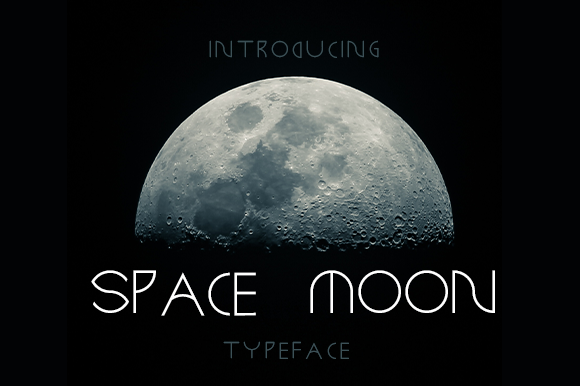
When a new typeface enters the field, it is worth asking whether it brings something genuinely useful or simply adds visual noise. Space Moon, a slim, light, and elegant sans serif font, positions itself as a tool for those who value restraint, clarity, and a refined reading experience. Its design language emphasizes clean lines, generous spacing, and a soft yet precise silhouette. For designers, publishers, and content creators who work regularly with type, Space Moon offers a distinct option worth evaluating on its own merits.
What Space Moon Offers at First Glance
Space Moon is not a bold, attention-grabbing face. It does not compete for dominance on the page. Instead, it operates with a quiet confidence that suits projects where the message, not the typeface, should lead. The letterforms are slim without feeling fragile, light without becoming invisible. The overall impression is one of airiness and readability, achieved through careful attention to proportions, stroke contrast, and spacing.
Key characteristics include:
- Very light stroke weight that maintains legibility even at smaller sizes
- Generous x-height for improved readability across devices and print formats
- Open apertures that help distinguish similar letterforms like a, e, and o
- Subtle geometric influences tempered with humanist details for warmth
- Consistent rhythm across uppercase, lowercase, numerals, and punctuation
These features make Space Moon suitable for a range of text-oriented applications, from website body copy to editorial layouts, product packaging, and branding materials that benefit from a lighter touch.
Practical Strengths in Real-World Use
Typefaces often look appealing in specimen pages but falter under real conditions. Space Moon holds up well in practice, provided the user understands its design intent. The slim weight works especially well in environments where space is limited or where a minimalist aesthetic is desired. Headlines set in Space Moon at medium to large sizes read as elegant and modern, with enough character to stand alone without decorative embellishment.
In body text, the typeface performs best when line spacing is generous and the surrounding layout allows the letters to breathe. Tight columns or dense blocks of text may cause the light strokes to feel visually compressed, so adequate leading is recommended. For digital use, screen rendering is solid at standard sizes, though users should test performance on lower-resolution displays before committing to large text blocks.
One practical advantage worth noting is how Space Moon handles multilingual content. The character set supports a wide range of Latin-based languages, and the consistent stroke weight helps maintain readability across accented characters, ligatures, and punctuation. This makes it a viable choice for international projects or brands that communicate across markets.
Quality, Consistency, and Craft
The quality of a typeface reveals itself in the details: how curves meet stems, how terminals are shaped, how spacing behaves across different letter combinations. Space Moon shows thoughtful craftsmanship in these areas. The diagonal cuts on letters like a, e, and s are clean and intentional. The relationship between thick and thin strokes is subtle enough to avoid harsh contrast but present enough to give the letterforms visual interest.
Kerning is generally consistent out of the box. Problematic pairs like AV, To, and Wa are handled well, with minimal need for manual adjustment in most settings. The numerals are well proportioned and align neatly with uppercase and lowercase text, which matters for datelines, pricing, or statistical content.
That said, the typeface is not designed to handle extreme size ranges with equal grace. At very small sizes, the light strokes can begin to diminish, especially in print applications with fine paper or low ink density. At very large display sizes, the slim weight may feel too delicate for certain contexts, such as posters or hero headers that demand more visual weight. Space Moon is best used within a moderate size range where its strengths are most visible.
Who Benefits Most from Space Moon
Space Moon serves a specific audience rather than a universal one. Professionals who work with minimal, modern, or editorial design will find it a natural fit. Freelance designers and small studios building brand identities for clients in fashion, beauty, architecture, publishing, or lifestyle sectors can rely on Space Moon to convey sophistication without pretension.
Bloggers and content creators who prioritize readability and a clean aesthetic may also appreciate Space Moon for body text on personal websites or newsletters, especially when paired with a complementary serif for headings. Educators and academic publishers working with text-heavy materials may find the typeface useful for sidebar notes, captions, or pull quotes where a lighter visual touch is appropriate.
Entrepreneurs and small business owners designing their own marketing materials should consider Space Moon if their brand identity leans toward minimalism, elegance, or modern professionalism. It works well on product labels, business cards, or landing pages where first impressions matter and visual clutter is avoided.
Possible Limitations to Keep in Mind
No typeface is without constraints, and Space Moon is no exception. Its slim weight means it may not suit projects requiring strong hierarchy or high contrast between headline and body copy without a companion typeface. Users who need a single typeface family to handle everything from bold headlines to fine print may need to supplement Space Moon with a bolder variant or a complementary font.
Accessibility is another consideration. For audiences with visual impairments or reading difficulties, very light typefaces can reduce legibility, especially on screens with low contrast or in bright environments. Space Moon works best in contexts where contrast ratios can be controlled and where the audience is likely to have good viewing conditions. For high-accessibility projects, pairing Space Moon with a weightier sans or adjusting color contrast is advisable.
Additionally, users who prefer condensed or space-efficient typefaces may find Space Moon's generous spacing less suitable for dense layouts. The typeface requires room to breathe, which may not align with every design brief.
Where Space Moon Excels in Practice
Based on real-world testing, Space Moon delivers strong results in:
- Long-form editorial layouts with adequate line spacing and generous margins
- Minimalist brand identities where the typeface itself becomes a subtle visual cue
- Digital interfaces where clean, modern typography supports a streamlined user experience
- Presentation decks and pitch materials that benefit from an uncluttered, professional tone
- Print materials such as brochures, lookbooks, and stationery where a light touch is appropriate
In these settings, Space Moon performs with consistency and reliability. It does not demand attention, but it also does not fade into the background. It occupies a space that is visually present without being intrusive, which is a difficult balance to achieve.
Practical Recommendations for Getting the Most Out of Space Moon
To use Space Moon effectively, consider the following guidelines:
- Set generous line spacing. A leading value of 1.4 to 1.6 times the font size helps maintain readability and preserves the airy character of the typeface.
- Use adequate font sizes. For body text, 16px to 22px on screen and 10pt to 12pt in print are reasonable ranges.
- Pair with a heavier companion. A medium or regular weight sans serif for subheadings or bold accents can provide hierarchy without clashing.
- Test on actual devices. Before finalizing a project, review the typeface on the target output medium to ensure stroke weight and contrast perform as expected.
- Avoid extreme sizes. Space Moon is most effective within a moderate size range where its slim weight can be appreciated without feeling fragile.
These recommendations come from observing how the typeface behaves under different conditions and adjusting usage accordingly. With thoughtful application, Space Moon becomes a reliable asset rather than a stylistic choice that needs constant justification.
Ultimately, Space Moon earns its place as a useful addition to the sans serif landscape. It is not a typeface for every project or every audience, but for those who need a slim, light, and elegant option, it delivers on its promise. The design is intentional, the execution is solid, and the practical value is clear for users whose work aligns with its strengths. If your next project calls for type that speaks softly and carries a clean look, Space Moon is worth the investment.