TonyTony: A Strategic Sans Serif Family for Intentional Design Decisions
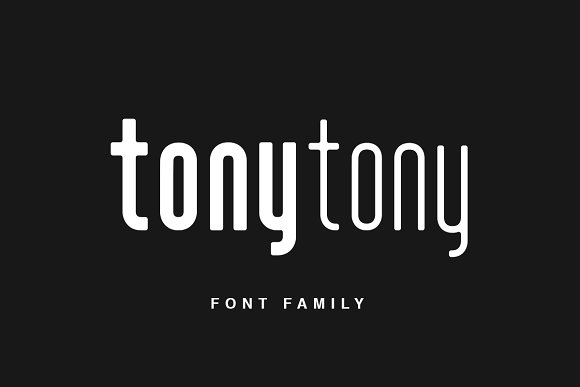
Choosing a typeface is rarely just about how letters look. It is a decision that shapes perception, guides attention, and reinforces the message you want to send. The TonyTony font family offers a clean, sans serif design with both sharp and smooth edges, giving you six matching weights that work together without clashing. This combination makes it a practical tool for anyone building a brand, laying out content, or trying to communicate with clarity. But like any tool, its value depends on how intentionally you use it. This article walks through what TonyTony is, why it may be strategically useful, and how to approach it with clear goals in mind.
What Makes TonyTony Distinctive and Pragmatically Useful
At its core, TonyTony is a sans serif family that balances structure with subtle personality. The sharp edges bring precision, while the smooth edges keep the overall feel approachable. This duality is not accidental; it allows the typeface to work in contexts where you need authority without coldness, and warmth without sloppiness. With six weights—likely ranging from light to bold or extra bold—you have enough variation to build hierarchy within a single document, website, or brand system without introducing a second typeface. That reduces cognitive load on your audience and makes your design decisions simpler.
For entrepreneurs, freelancers, and small business owners who often manage their own materials, this self-contained family is a time saver. You do not need to hunt for complementary fonts or worry about mismatched x-heights and stroke widths. The consistency across weights means your headlines, subheadings, body text, and captions all feel part of the same system. From a planning perspective, that predictability supports faster iteration and fewer revisions.
Creators and educators also benefit. When preparing presentations, worksheets, or online course materials, a legible, neutral-yet-friendly typeface like TonyTony helps learners focus on content rather than font noise. Marketers and publishers can rely on its clean lines for landing pages, email headers, and print collateral where first impressions matter. The pragmatic value lies in its versatility; you can apply it widely without constantly adjusting your approach.
Aligning TonyTony with Your Goals and Positioning
Before you decide to use TonyTony, it helps to define what you want your text to do. Are you building trust with a professional audience? The sharp edges can convey reliability and attention to detail. Are you trying to feel approachable to a creative demographic? The smooth edges soften the overall tone. The family does not force you into one corner. Instead, it gives you levers to pull based on your positioning.
For example, a consultant creating a proposal might use TonyTony in a heavier weight for the title page and a lighter weight for the body, signaling both confidence and readability. A freelancer designing a portfolio site could use the same font across hero sections and testimonials, ensuring the brand feels cohesive. In both cases, the choice is not random; it supports a specific outcome—closing a deal or building a personal brand.
When you plan content, think about the journey you want your reader or viewer to take. The right weight at the right size can guide their eyes from headline to call to action. TonyTony’s consistent structure makes this flow predictable. You can test variations quickly and see what works without rethinking the entire type system. That speed is valuable for marketers running A/B tests on landing pages or for bloggers refining article formats.
Practical Use Cases Across Common Scenarios
Let us look at three realistic scenarios where TonyTony shines, not because it is trendy but because it fits the operational needs of the people using it.
Branding for a Small Business or Startup
When you are building a visual identity from scratch, every element needs to earn its place. TonyTony offers enough character to be memorable but not so much that it becomes a distraction. For a local coffee shop, you could use a bold weight on signage and a regular weight on menus. The sharp edges suggest cleanliness and quality, while the smooth edges keep the vibe welcoming. This consistency helps customers recognize your materials instantly, which builds trust over time.
Educational and Training Materials
Teachers, trainers, and course creators often produce handouts, slides, and guides under tight deadlines. A font that is readable at small sizes and still looks professional when enlarged is a practical asset. TonyTony’s clean forms reduce eye strain, and the range of weights allows you to distinguish definitions from examples without resorting to underlines or italics every time. That simplicity improves the learning experience by reducing visual noise.
Internal Operations and Documentation
Operations leaders and project managers produce reports, process documents, and dashboards. While these may not be public-facing, their readability directly affects how quickly information is absorbed and acted upon. Using TonyTony for internal docs means colleagues can scan headers, numbers, and key points without friction. The neutral tone also avoids the risk of a playful font undermining the seriousness of compliance or safety content.
Planning Your Use of TonyTony Within a Larger System
Intentional use means more than just picking a font. It involves thinking about hierarchy, contrast, and the context where the type will live. Start by listing the assets you need: website, social media graphics, PDFs, presentations, maybe physical signage. For each, identify the primary and secondary applications of TonyTony. Ask yourself whether you need all six weights or whether three are enough to satisfy your requirements. Limiting choices reduces decision fatigue and keeps your brand consistent.
Consider pairing TonyTony with a second typeface only if you have a clear reason—for example, a serif for long-form reading or a monospace for code snippets. Otherwise, the family’s built-in variety is often sufficient. Test your chosen weights on high-traffic pages or key documents before rolling them out everywhere. A/B test headlines or button text if you are optimizing for conversion. Small adjustments in weight or size can change click-through rates, and TonyTony’s clean shapes let you isolate the effect of size without font distraction.
Also plan for global use. If your audience includes non-native speakers or people reading on small screens, prioritize legibility. Sans serif families like TonyTony are generally more readable on digital screens, and the smooth edges help with character recognition in body text. Use larger sizes for accessibility and maintain sufficient contrast against backgrounds. This planning pays off in reduced bounce rates and better user satisfaction.
Common Risks When Using TonyTony Without Clear Intent
Even a well-designed typeface can work against you if applied carelessly. The most common risk is using too many weights in a single piece. Because TonyTony offers six matching options, it is tempting to use four or five in one document. That can create visual overload and confuse hierarchy. Stick to two or three weights for most projects: one for headlines, one for subheadings, and one for body text. Reserve the others for special cases like pull quotes or data labels.
Another risk is ignoring context. A bold weight with sharp edges may feel aggressive in a customer service email but appropriate for a legal disclaimer. Evaluate the emotional tone of each piece before selecting the weight. If you are unsure, test with a small group of colleagues or clients. Their feedback will highlight mismatches you might not see.
There is also the risk of over-relying on a single font family for every communication channel. While TonyTony is versatile, some contexts might demand a different rhythm. For example, a long e-book may benefit from a more readable serif in body text, using TonyTony only for headings. Being flexible with your system rather than dogmatic about the font will lead to better long-term outcomes.
Making TonyTony Work for You Over the Long Term
Strategic use of any tool requires revisiting decisions as your needs evolve. Start by documenting your type choices: which TonyTony weights you use for which purposes, and why. This small step helps you stay consistent when new team members join or when you need to produce materials quickly. It also makes it easier to evaluate whether the font is still serving your goals after six months or a year.
Periodically review your materials for unintended drift. Did a recent presentation use a weight that does not match your website? Are your social media graphics scaling well? Because TonyTony is a clean sans serif, small inconsistencies are more noticeable than they would be with a decorative font. Consistency reinforces professionalism. When you find deviations, correct them and note the change in your style guide.
Finally, avoid treating TonyTony as a one-size-fits-all solution. It excels in many contexts, but your audience and message should always dictate your final choice. The real advantage of this font family lies in its flexibility combined with its restraint. You can achieve a lot with a little if you plan carefully. By approaching TonyTony with clear goals, strategic planning, and an eye on long-term results, you turn a typeface into a reliable ally for your work.