Sunny Spring Day: A Handwritten Font for Thoughtful Design and Communication
Typography choices often receive less attention than they deserve. When you select a typeface for a project, you are not just picking how letters look. You are shaping how a message is perceived, remembered, and acted upon. Sunny Spring Day is a cute, handwritten font that carries distinct visual qualities. Understanding its strategic use can help you make better design decisions, improve communication outcomes, and strengthen your creative projects without relying on guesswork or trend-chasing.
Handwritten fonts occupy a specific place in design. They bring warmth, personality, and a sense of human touch that mechanical typefaces rarely achieve. Sunny Spring Day offers these qualities in a way that feels approachable and sincere. But like any tool, its effectiveness depends entirely on context, intention, and the goals you are trying to reach.
What Sunny Spring Day Is and Why It Matters for Your Projects
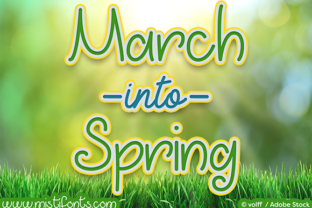
Sunny Spring Day is a handwritten display font designed to evoke a light, cheerful, and informal tone. Its letterforms are rounded, slightly irregular, and carry the natural variation you would expect from hand-lettering. This makes it distinct from clean sans-serifs or formal serifs that dominate much of professional communication.
The strategic value of a font like this lies in its ability to shift how an audience feels about your content. If you are creating materials that need to feel personal, friendly, or emotionally engaging, a handwritten font can bridge the gap between formal messaging and human connection. Sunny Spring Day does this without appearing forced or overly decorative.
For creators and small business owners, this means you have a tool that can support branding, social media presence, packaging, and customer-facing materials in ways that standard typefaces cannot. The key is knowing when and how to deploy it so that it serves your objectives rather than distracting from them.
Aligning Font Choices with Your Goals and Strategy
Every design decision should trace back to a goal. Before you open your design software and apply Sunny Spring Day to a project, take a moment to clarify what you are trying to achieve. Are you building brand recognition? Launching a new product? Creating instructional content that needs to feel accessible?
The font you choose either supports or undermines that goal. Sunny Spring Day works best when your objective involves:
- Building emotional resonance with your audience
- Conveying approachability and warmth
- Differentiating from competitors who rely on conventional typography
- Creating a cohesive visual identity across printed and digital materials
- Supporting creative or hobbyist projects where personal expression matters
If your goal is to project authority, trust, or technical expertise, a handwritten font may not serve you as well. Context matters. A financial planning guide or a legal document would likely benefit from a more neutral typeface. But a thank-you card, a product label for a handmade item, or a social media post about a community event could be elevated by the careful use of Sunny Spring Day.
Planning with Typography: Practical Considerations Before You Begin
Using a handwritten font like Sunny Spring Day requires more planning than you might expect. Because it is a display font, it is not optimized for long paragraphs or dense text. Its irregular shapes can become tiring to read at small sizes or in lengthy blocks. This is not a weakness. It is simply a constraint you should account for in your planning.
Consider these practical factors before committing to the font in a project:
- Readability at scale. Test how the font performs at different sizes. It may work beautifully for headings, short quotes, or callouts but fail in body text or captions.
- Pairing with complementary fonts. Sunny Spring Day pairs well with clean sans-serif or simple serif fonts for body content. This contrast helps maintain clarity while preserving the personality of the handwritten style.
- Color and background choices. Handwritten fonts can blend into busy backgrounds or clash with overly vibrant colors. Plan your palette to ensure the letters remain legible and prominent.
- Platform compatibility. If you are using the font on a website, check licensing and embedding options. If you are printing, confirm that the file format and resolution will produce clean results.
Taking these steps early prevents rework and ensures that the font enhances rather than complicates your final output.
Realistic Use Cases Where Sunny Spring Day Adds Long-Term Value
Strategic use of Sunny Spring Day goes beyond a single project. When you apply it consistently and intentionally, it can become a recognizable element of your brand or creative style. This has long-term implications for how your audience remembers and relates to your work.
Branding for Small Businesses and Freelancers
If you run a small business or freelance operation, your brand identity is one of your most valuable assets. A handwritten font like Sunny Spring Day can differentiate you in a crowded market. For example, a bakery using this font on packaging, menus, and social media creates a cohesive visual language that feels artisanal and personal. Customers begin to associate that style with the quality and care of your products.
Educational and Instructional Materials
Teachers, tutors, and content creators can use Sunny Spring Day to make learning materials feel less formal and more inviting. Worksheets, flashcards, and presentation titles set in this font signal that the content is approachable. This can be especially useful when working with younger audiences or introducing complex topics that benefit from a lighter tone.
Event Invitations and Announcements
For wedding invitations, birthday announcements, or community event flyers, a handwritten font conveys a sense of personal care. Sunny Spring Day works well here because it looks handcrafted without being difficult to read. Guests or attendees perceive the effort behind the design, which can positively influence their engagement with the event.
Social Media Content and Digital Marketing
Social media feeds are crowded. Standing out often requires visual cues that stop the scroll. Using Sunny Spring Day in quote graphics, promotional posts, or story highlights can add a distinctive visual signature. Over time, your audience may begin to recognize your content by its typographic style alone, which supports brand recall and loyalty.
Risks of Using Sunny Spring Day Without Clear Intent
No font is universally appropriate, and Sunny Spring Day is no exception. Using it without a clear purpose or context can create problems that undermine your message.
- Loss of credibility. Handwritten fonts in professional settings can sometimes appear amateurish if not paired with careful design. If your audience expects formality and receives a casual handwritten style, they may question your professionalism.
- Poor readability in critical content. If you use this font for instructions, disclaimers, or any text where accuracy matters, readers may misinterpret or skip information. This can lead to operational mistakes or customer dissatisfaction.
- Overuse diminishes impact. When every element in a design uses a handwritten font, nothing stands out. The uniqueness is lost, and the overall effect becomes chaotic rather than charming.
- Inconsistent brand perception. If your brand uses multiple fonts across different channels without a clear system, customers may struggle to form a coherent impression of your identity. Consistency matters more than novelty.
Mitigating these risks is straightforward. Use the font sparingly, pair it with simpler typefaces, and always test your designs with real users or clients before finalizing.
How to Approach Sunny Spring Day Intentionally
Intentional use means making decisions based on strategy rather than impulse. Here is a practical framework for incorporating Sunny Spring Day into your work with purpose.
Start with one application. Rather than redesigning everything at once, pick one project or channel where the font can have the most impact. Test it, gather feedback, and observe how your audience responds.
Define the role of the font. Is it your primary display typeface for headings? A secondary accent for pull quotes? A decorative element in logos? Clarifying its role helps you avoid inconsistent usage.
Create usage guidelines. Document where and how the font should be used. Include size ranges, color pairings, and examples of acceptable and unacceptable applications. This is especially important if you work with a team or external designers.
Revisit your decision periodically. Typography trends change, and your brand evolves. What works today may feel outdated in two years. Review your font choices as part of regular brand audits to ensure they still align with your goals.
Long-Term Strategic Value of Handwritten Fonts in Design
Handwritten fonts like Sunny Spring Day are not just decorative novelties. They serve a real strategic function in a world where audiences are saturated with polished, impersonal digital content. A handwritten style signals that a human being was involved in the creation process. That perception has value.
For entrepreneurs, marketers, and creators who want to build lasting relationships with their audiences, small signals of humanity can compound over time. A font choice that feels genuine and appropriate in every touchpoint contributes to a brand that feels trustworthy, approachable, and memorable.
Of course, no single font can carry that weight alone. It must be supported by good content, thoughtful design, and consistent delivery. But when used as part of a larger intentional strategy, Sunny Spring Day becomes more than a pretty typeface. It becomes a tool for better communication, stronger positioning, and more meaningful creative work.
Before your next project, ask yourself what you want your audience to feel. If the answer involves warmth, friendliness, or a personal connection, then Sunny Spring Day may be exactly the right choice. Plan around its strengths, respect its limits, and let your goals guide the design. That is how you turn a font into an asset.