Understanding Simplisicky: A Practical Look at Darwinoo's Distinctive Typeface
When you are exploring typeface options for a project, the sheer number of choices can feel overwhelming. Among the many display fonts and handwritten styles available, one name that has started to appear in design discussions is Simplisicky, created by the designer Darwinoo. This article offers a balanced, practical look at what Simplisicky is, what makes it distinct, and how it compares with other typographic approaches. Whether you are a designer, a small business owner, or someone assembling a personal project, understanding the strengths and tradeoffs of this font can help you decide if it fits your needs.
What Is Simplisicky and What Makes It Distinct?
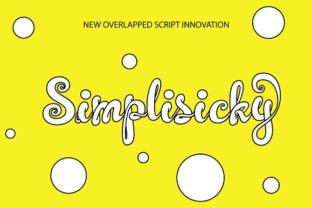
Simplisicky is a typeface designed by Darwinoo that sits in an interesting space between playful simplicity and intentional imperfection. The name itself hints at a combination of "simple" and "sicky" — perhaps referencing a slightly quirky, hand-drawn, or imperfect quality. Unlike many clean, geometric sans-serif fonts that strive for pixel-perfect uniformity, Simplisicky embraces irregularity. Its letterforms often feature uneven stroke widths, slight tilts, and a handcrafted feel that gives text a more human, approachable character.
What makes Simplisicky truly distinct is how it balances legibility with personality. Many highly decorative fonts sacrifice readability for flair, while overly minimalist fonts can feel sterile. Simplisicky finds a middle ground: each letter remains recognizable, but the overall texture of a word or sentence carries a sense of spontaneity. This makes it suitable for situations where you want text to feel personal without becoming unreadable.
Another key distinction is the designer's approach. Darwinoo has crafted this font with an emphasis on organic variation. Instead of using mathematically perfect curves, the letters show subtle inconsistencies that mimic natural handwriting. This can add warmth to designs that might otherwise feel too mechanical.
How Simplisicky Compares with Similar Typographic Styles
To understand where Simplisicky fits, it helps to place it alongside other typographic categories. Here are some common styles and how Simplisicky relates to them:
Handwritten and Script Fonts
True handwritten fonts often mimic cursive or connected script. Simplisicky is not a script font — letters generally do not connect. However, it shares the hand-drawn aesthetic. Compared to polished script fonts, Simplisicky feels more casual and less formal. If you need something that looks like a quick note or a child's drawing, Simplisicky might be a better fit than a flowing calligraphy style.
Geometric Sans-Serif Fonts
Fonts like Helvetica or Futura are built on precise geometric shapes. They are excellent for clean, professional layouts. Simplisicky is almost the opposite: it is deliberately irregular. If your project requires strict corporate professionalism, a geometric sans-serif would be a safer choice. However, if you want to soften that corporate feel or add a human touch, using Simplisicky for headings or accents could create contrast.
Display Fonts
Display fonts are designed for large sizes and short text. Simplisicky works well as a display font for headlines, posters, or logos. Compared to many display fonts that are very bold or extremely decorative, Simplisicky is relatively restrained. It does not shout for attention; instead, it invites the reader in with its friendly, slightly uneven shapes.
Rough and Grunge Typefaces
Some fonts deliberately include distress, scratches, or rough edges. Simplisicky is not distressed — its imperfection comes from the shape of the letters, not from texture or damage effects. If you need a rugged, industrial look, a grunge font might be more appropriate. But if you want a clean but human feel, Simplisicky offers that without the mess.
Strengths of Simplisicky: When It Shines
Every typeface has situations where it performs exceptionally well. Here are the key strengths of Simplisicky:
- Approachability: The hand-drawn quality makes text feel friendly and accessible. It works well for brands or projects that want to communicate warmth, creativity, or informality.
- Versatility in Small Doses: Using Simplisicky for headlines, pull quotes, or short phrases can add visual interest without overwhelming the reader.
- Pairing Potential: Because it has a distinct personality, Simplisicky pairs nicely with neutral, simple fonts for body text. This contrast can create a dynamic but balanced layout.
- Unique Identity: In a sea of similar sans-serif fonts, Simplisicky helps a design stand out without being gimmicky. It feels original rather than generic.
- Good for Informal Contexts: Children's books, craft brands, personal blogs, event invitations, and social media graphics are natural use cases.
Tradeoffs and Limitations to Consider
No typeface is perfect for every scenario, and Simplisicky has its own set of tradeoffs. Being aware of these can help you avoid misusing it:
- Limited Legibility at Small Sizes: The irregular stroke widths and slight tilts can make long paragraphs difficult to read. For body text, a more regular font is usually better. Simplisicky is best reserved for larger sizes.
- Not Suitable for Formal Documents: If you are designing a legal document, a corporate report, or anything that requires a high degree of professionalism, Simplisicky may feel too casual. It could undermine the seriousness of the content.
- Potential for Visual Fatigue: Its quirky shapes can become tiring if used too abundantly. For extended reading, readers might find it distracting. Use it sparingly to keep the effect fresh.
- Niche Appeal: While many people find the style charming, it is not universally loved. Some audiences may perceive it as unpolished or amateurish. Consider your target audience carefully.
- Limited Character Set: Depending on the version you obtain, some specialty characters or diacritical marks may not be available. Always check if the font supports the languages and symbols you need.
Best-Fit Situations for Simplisicky
Based on its strengths and limitations, here are situations where Simplisicky tends to be a strong choice:
- Branding for creative or lifestyle businesses: If your brand is about handmade goods, art, coaching, or children's services, Simplisicky can reinforce that personal touch.
- Event materials: Wedding invitations, birthday party flyers, or workshop posters can benefit from the warmth of Simplisicky.
- Social media graphics: Short quotes or announcements on Instagram or Facebook can stand out with this typeface.
- Product packaging for artisanal items: A hand-drawn font on a label can suggest craftsmanship and care.
- Educational materials for children: The informal style feels relatable and less intimidating for young readers.
When You May Need Another Option
There are also clear scenarios where choosing Simplisicky might not be ideal:
- Large blocks of text: For anything longer than a short paragraph, opt for a more legible body font. Reserve Simplisicky for headings or short callouts.
- Corporate or financial communications: If you need to convey authority and trust, a clean professional font will serve you better.
- Multilingual projects with complex diacritics: Verify that the font version you have includes the necessary characters before committing.
- Highly minimalist or modern designs: If your entire design is based on clean lines and geometric precision, a hand-drawn font can clash rather than complement.
- When you need multiple weights: Simplisicky may come in a limited range of weights (light, regular, bold). If your design requires a full typographic hierarchy, you might need to pair it with another typeface.
How to Evaluate Simplisicky for Your Project
If you are considering using Simplisicky, take these steps to ensure it aligns with your goals:
- Test it at the intended size: Download the font or use a preview tool to see how it looks at the size you plan to use. Check both headings and any smaller text.
- Pair it with a simple body font: Try combinations with classic sans-serifs or serifs to see if the contrast works. A neutral partner can let Simplisicky shine without overwhelming the page.
- Get feedback from a sample audience: If possible, show a few mockups to people who resemble your target audience. Ask how they perceive the font's personality.
- Check licensing: Ensure you have the correct license for your specific use (commercial, personal, web, app, etc.).
- Consider readability across devices: If the design will appear on screens, test on both desktop and mobile to confirm that the irregularities remain readable.
Final Thoughts on Making a Choice
Simplisicky is not a typeface that tries to do everything. Its charm lies in its distinct, hand-drawn character and the warmth it brings to the right project. For designers and content creators who need a font that feels personal without sacrificing readability in short bursts, it is worth exploring. However, like any specialized tool, it works best when used intentionally and in appropriate contexts.
The key to a good decision is understanding the tradeoffs. If your project values approachability, creativity, and a touch of imperfection, Simplisicky could be an excellent choice. If your priorities lean toward formality, uniformity, or extensive text, you will likely find better options elsewhere. By weighing these factors against your specific audience and goals, you can decide whether this Darwinoo creation is the right fit for your next design.